Tldr Tldr

2002Internet slang / catchphraseclassic

Also known as: tl;dr · TL;DR · TLDR · too long; didn't read

tl;dr (too long; didn't read) is a 2002 internet slang abbreviation that evolved from a dismissive forum reply into a courtesy summary tool, officially recognized by Oxford Dictionaries in 2013.

tl;dr (short for "too long; didn't read") is one of the internet's oldest and most widely used slang abbreviations, dating back to at least 20021. Originally a dismissive reply to overly long forum posts, tl;dr flipped into a practical tool: writers started placing it before their own summaries as a courtesy to readers2. The term became so embedded in online communication that Oxford Dictionaries added it in 20131.

TL;DR

tl;dr** (short for "too long; didn't read") is one of the internet's oldest and most widely used slang abbreviations, dating back to at least 2002.

Overview

tl;dr is a four-letter abbreviation that packs a surprisingly layered meaning. At its simplest, someone drops "tl;dr" in reply to a post they consider too long to bother reading. But the term developed a second, more constructive use: writers append "tl;dr:" followed by a brief summary at the end (or beginning) of their own lengthy posts, signaling they know the text is long and offering readers a shortcut2.

The abbreviation can be written several ways: tl;dr, TL;DR, TLDR, or even tl,dr. All are interchangeable. Context determines whether it's being used as a rude dismissal or a helpful summary label. On forums and Reddit, a "tl;dr" at the bottom of a long comment is considered good etiquette. Thrown at someone else's post, it's closer to an insult3.

The earliest documented use of tl;dr traces to 2002. According to the Oxford English Dictionary, the first known instance appeared in a message on the Usenet newsgroup rec.games.video.nintendo1. The abbreviation spread quickly through early 2000s forum culture, showing up on discussion boards like General Mayhem, 4chan, Something Awful, and FARK by 20033.

The oldest confirmed forum post using the term comes from GenMay user "waptang" on June 19, 20033. An Urban Dictionary definition was submitted on November 20, 2003, and later selected as Urban Dictionary's Word of the Day on May 16, 20053. These early definitions captured both uses of the term: the dismissive reply and the self-aware summary prefix.

Origin & Background

Platform
Usenet (rec.games.video.nintendo)
Key People
Unknown
Date
2002

The earliest documented use of tl;dr traces to 2002. According to the Oxford English Dictionary, the first known instance appeared in a message on the Usenet newsgroup rec.games.video.nintendo. The abbreviation spread quickly through early 2000s forum culture, showing up on discussion boards like General Mayhem, 4chan, Something Awful, and FARK by 2003.

The oldest confirmed forum post using the term comes from GenMay user "waptang" on June 19, 2003. An Urban Dictionary definition was submitted on November 20, 2003, and later selected as Urban Dictionary's Word of the Day on May 16, 2005. These early definitions captured both uses of the term: the dismissive reply and the self-aware summary prefix.

How It Spread

After its Usenet origins, tl;dr moved through a predictable path across the major platforms of mid-2000s internet culture. Google search data shows a noticeable spike in interest around 2006, suggesting the term had broken out of niche forum circles.

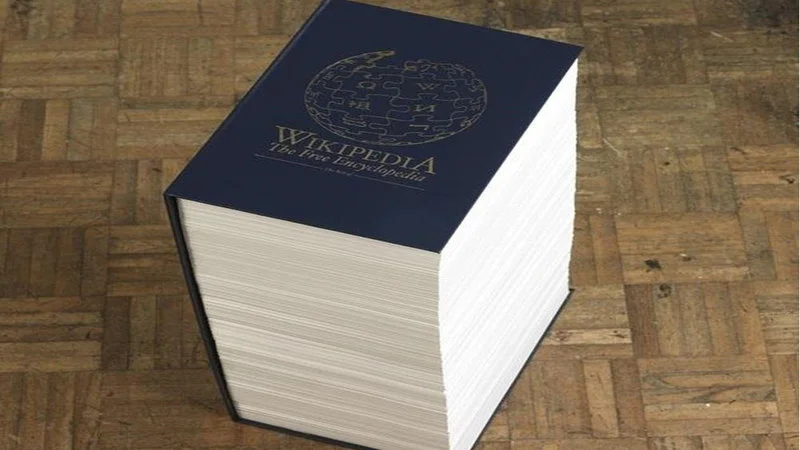
Wikipedia editors adopted the abbreviation heavily enough that a dedicated essay page, "Wikipedia:Too long; didn't read," was created on September 18, 2007. The essay warned editors against both excessive verbosity and the dismissive misuse of "tl;dr" as a way to shut down discussion. It quoted Pascal's famous line: "I made this so long because I did not have time to make it shorter".

By 2009, tl;dr had entered print. The term appeared in *Mo' Urban Dictionary: Ridonkulous Street Slang Defined* and in David Pogue's *World According to Twitter*, both published that year. Reddit poweruser qgyh2 launched r/tldr on November 14, 2009, a subreddit dedicated to daily roundups of Reddit's most notable threads. The subreddit treated the abbreviation not as an insult but as a service: condensing the site's sprawling content into digestible summaries.

The term hit a mainstream milestone in 2013 when Oxford Dictionaries Online officially added "TL;DR" to its database. By that point, tl;dr had moved well beyond forums. It appeared in tech journalism, corporate emails, and even spoken conversation, where people would literally say "tee-ell-dee-arr" before giving a verbal summary.

How to Use This Meme

tl;dr works in two main contexts:

As a dismissal: Reply to someone's long post with just "tl;dr" to signal you didn't read it and don't intend to. This is generally considered rude and is sometimes used as a troll tactic when someone can't come up with a real counterargument.

As a summary label: Place "tl;dr:" at the beginning or end of your own lengthy post, followed by a one-to-two sentence summary. This is the more common modern usage and is widely seen as good form.

Examples: - *Dismissive:* Someone writes a 500-word explanation. You reply: "tl;dr" - *Helpful:* You write a long post about a complex topic, then add: "tl;dr: the new update broke the save system, roll back to version 3.2 until they patch it"

The helpful version is basically writing "in summary" but with internet flavor. Most subreddits, Discord servers, and comment sections treat it as standard formatting for longer posts.

Cultural Impact

tl;dr is one of a small number of internet abbreviations that crossed into mainstream English. Its addition to Oxford Dictionaries in 2013 put it alongside terms like "LOL" and "OMG" as officially recognized vocabulary.

Wikipedia's internal essay on tl;dr became a case study in how the term shaped online communication norms. The essay argued that while brevity is valuable, using "tl;dr" as a dismissal "stoops to ridicule and amounts to thought-terminating cliché". It distinguished between lazy use of the abbreviation and legitimate concerns about verbose writing, noting that "concision does not require the writer make all his sentences short, but that every word tell".

The term also influenced how platforms structure content. Reddit's r/tldr subreddit pioneered the idea of daily digest summaries, a format later adopted by email newsletters like "TLDR" (the tech newsletter) that now reach millions of subscribers. The abbreviation itself became a genre: tl;dr-style summary content.

In professional settings, tl;dr migrated into corporate communication. "BLUF" (bottom line up front), a military communication standard, is essentially the same concept in formal dress. Tech companies adopted "tl;dr" sections in internal documents, and it became common in software documentation, blog posts, and even academic abstracts written for online audiences.

Fun Facts

The Oxford English Dictionary traced the term's first use to a 2002 Usenet post about Nintendo, making it older than many people assume.

Wikipedia's essay on tl;dr is itself quite long, running to several thousand words about the importance of concise writing. The irony is intentional.

Urban Dictionary's earliest tl;dr definition was submitted in 2003 but wasn't selected as Word of the Day until May 2005, a two-year wait.

The Reddit subreddit r/tldr was created by qgyh2, one of Reddit's earliest power users, who moderated dozens of major subreddits.

Frequently Asked Questions

TldrTldr

2002Internet slang / catchphraseclassic

Also known as: tl;dr · TL;DR · TLDR · too long; didn't read

tl;dr (too long; didn't read) is a 2002 internet slang abbreviation that evolved from a dismissive forum reply into a courtesy summary tool, officially recognized by Oxford Dictionaries in 2013.

tl;dr (short for "too long; didn't read") is one of the internet's oldest and most widely used slang abbreviations, dating back to at least 2002. Originally a dismissive reply to overly long forum posts, tl;dr flipped into a practical tool: writers started placing it before their own summaries as a courtesy to readers. The term became so embedded in online communication that Oxford Dictionaries added it in 2013.

TL;DR

tl;dr** (short for "too long; didn't read") is one of the internet's oldest and most widely used slang abbreviations, dating back to at least 2002.

Overview

tl;dr is a four-letter abbreviation that packs a surprisingly layered meaning. At its simplest, someone drops "tl;dr" in reply to a post they consider too long to bother reading. But the term developed a second, more constructive use: writers append "tl;dr:" followed by a brief summary at the end (or beginning) of their own lengthy posts, signaling they know the text is long and offering readers a shortcut.

The abbreviation can be written several ways: tl;dr, TL;DR, TLDR, or even tl,dr. All are interchangeable. Context determines whether it's being used as a rude dismissal or a helpful summary label. On forums and Reddit, a "tl;dr" at the bottom of a long comment is considered good etiquette. Thrown at someone else's post, it's closer to an insult.

The earliest documented use of tl;dr traces to 2002. According to the Oxford English Dictionary, the first known instance appeared in a message on the Usenet newsgroup rec.games.video.nintendo. The abbreviation spread quickly through early 2000s forum culture, showing up on discussion boards like General Mayhem, 4chan, Something Awful, and FARK by 2003.

The oldest confirmed forum post using the term comes from GenMay user "waptang" on June 19, 2003. An Urban Dictionary definition was submitted on November 20, 2003, and later selected as Urban Dictionary's Word of the Day on May 16, 2005. These early definitions captured both uses of the term: the dismissive reply and the self-aware summary prefix.

Origin & Background

Platform
Usenet (rec.games.video.nintendo)
Key People
Unknown
Date
2002

The earliest documented use of tl;dr traces to 2002. According to the Oxford English Dictionary, the first known instance appeared in a message on the Usenet newsgroup rec.games.video.nintendo. The abbreviation spread quickly through early 2000s forum culture, showing up on discussion boards like General Mayhem, 4chan, Something Awful, and FARK by 2003.

The oldest confirmed forum post using the term comes from GenMay user "waptang" on June 19, 2003. An Urban Dictionary definition was submitted on November 20, 2003, and later selected as Urban Dictionary's Word of the Day on May 16, 2005. These early definitions captured both uses of the term: the dismissive reply and the self-aware summary prefix.

How It Spread

After its Usenet origins, tl;dr moved through a predictable path across the major platforms of mid-2000s internet culture. Google search data shows a noticeable spike in interest around 2006, suggesting the term had broken out of niche forum circles.

Wikipedia editors adopted the abbreviation heavily enough that a dedicated essay page, "Wikipedia:Too long; didn't read," was created on September 18, 2007. The essay warned editors against both excessive verbosity and the dismissive misuse of "tl;dr" as a way to shut down discussion. It quoted Pascal's famous line: "I made this so long because I did not have time to make it shorter".

By 2009, tl;dr had entered print. The term appeared in *Mo' Urban Dictionary: Ridonkulous Street Slang Defined* and in David Pogue's *World According to Twitter*, both published that year. Reddit poweruser qgyh2 launched r/tldr on November 14, 2009, a subreddit dedicated to daily roundups of Reddit's most notable threads. The subreddit treated the abbreviation not as an insult but as a service: condensing the site's sprawling content into digestible summaries.

The term hit a mainstream milestone in 2013 when Oxford Dictionaries Online officially added "TL;DR" to its database. By that point, tl;dr had moved well beyond forums. It appeared in tech journalism, corporate emails, and even spoken conversation, where people would literally say "tee-ell-dee-arr" before giving a verbal summary.

How to Use This Meme

tl;dr works in two main contexts:

As a dismissal: Reply to someone's long post with just "tl;dr" to signal you didn't read it and don't intend to. This is generally considered rude and is sometimes used as a troll tactic when someone can't come up with a real counterargument.

As a summary label: Place "tl;dr:" at the beginning or end of your own lengthy post, followed by a one-to-two sentence summary. This is the more common modern usage and is widely seen as good form.

Examples: - *Dismissive:* Someone writes a 500-word explanation. You reply: "tl;dr" - *Helpful:* You write a long post about a complex topic, then add: "tl;dr: the new update broke the save system, roll back to version 3.2 until they patch it"

The helpful version is basically writing "in summary" but with internet flavor. Most subreddits, Discord servers, and comment sections treat it as standard formatting for longer posts.

Cultural Impact

tl;dr is one of a small number of internet abbreviations that crossed into mainstream English. Its addition to Oxford Dictionaries in 2013 put it alongside terms like "LOL" and "OMG" as officially recognized vocabulary.

Wikipedia's internal essay on tl;dr became a case study in how the term shaped online communication norms. The essay argued that while brevity is valuable, using "tl;dr" as a dismissal "stoops to ridicule and amounts to thought-terminating cliché". It distinguished between lazy use of the abbreviation and legitimate concerns about verbose writing, noting that "concision does not require the writer make all his sentences short, but that every word tell".

The term also influenced how platforms structure content. Reddit's r/tldr subreddit pioneered the idea of daily digest summaries, a format later adopted by email newsletters like "TLDR" (the tech newsletter) that now reach millions of subscribers. The abbreviation itself became a genre: tl;dr-style summary content.

In professional settings, tl;dr migrated into corporate communication. "BLUF" (bottom line up front), a military communication standard, is essentially the same concept in formal dress. Tech companies adopted "tl;dr" sections in internal documents, and it became common in software documentation, blog posts, and even academic abstracts written for online audiences.

Fun Facts

The Oxford English Dictionary traced the term's first use to a 2002 Usenet post about Nintendo, making it older than many people assume.

Wikipedia's essay on tl;dr is itself quite long, running to several thousand words about the importance of concise writing. The irony is intentional.

Urban Dictionary's earliest tl;dr definition was submitted in 2003 but wasn't selected as Word of the Day until May 2005, a two-year wait.

The Reddit subreddit r/tldr was created by qgyh2, one of Reddit's earliest power users, who moderated dozens of major subreddits.

Frequently Asked Questions