Zerg Rush

1998Slang / catchphrase / gaming strategyclassic

Also known as: Zerging · Zergling Rush · 6-Pool Rush

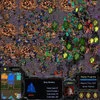
Zerg Rush is a 1998 StarCraft strategy and internet slang describing overwhelming an opponent with a swarm of cheap, expendable units before they can mount a defense.

Zerg Rush is an online slang term and gaming strategy that originated from the 1998 real-time strategy game StarCraft. It describes the tactic of overwhelming an opponent with a swarm of cheap, expendable units before they can mount a defense. The phrase broke out of gaming circles in the mid-2000s and became widely recognized internet slang for any situation where someone gets mobbed by superior numbers, with Google even building a playable tribute into its search engine in 2012.

TL;DR

Zerg Rush is an online slang term and gaming strategy that originated from the 1998 real-time strategy game StarCraft.

Overview

In StarCraft, players choose one of three alien races to command: the human Terrans, the technologically advanced Protoss, or the insect-like Zerg1. The Zerg are a hive-minded species built around strength in numbers. Their basic infantry unit, the Zergling, is dirt cheap and fast to produce but individually weak5. A Zerg Rush exploits this by dumping all early-game resources into spawning Zerglings and sending them at the enemy base before any real defenses go up1.

The strategy is a high-risk gamble. If it works, the game is over in minutes. If it fails, the rushing player has burned their economy and usually loses the long game3. It became one of the most famous (and most hated) tactics in competitive RTS history, especially in South Korea's thriving StarCraft scene9.

As a meme, "Zerg Rush" evolved beyond its game-specific meaning. People use it to describe any situation where a single target gets overwhelmed by a flood of attackers, commenters, or participants1. Getting review-bombed, having your social media post swarmed with angry replies, or watching a crowd stampede toward a sale rack all qualify as a Zerg Rush in internet speak8.

The Zerg Rush strategy is baked into StarCraft's design. Blizzard Entertainment released the game on March 31, 1998, and the Zerg race's faster unit production times made early rushes a natural tactic5. The average Zerg unit build time was significantly shorter than the Terran or Protoss equivalents, so flooding an opponent with Zerglings before they could get set up became standard play5. It was common enough that multiplayer lobbies started setting "no rush in X minutes" rules5.

The meme's legendary origin story involves a multiplayer match between Korean players. According to the widely cited account, one player launched an early Zergling attack, prompting the victim to type "OMG ZERG RUSH" in chat1. The attacking player responded with "KEKEKE," the romanized version of the Korean onomatopoeia for laughter (ㅋㅋㅋ)5. That exchange struck a nerve because "KEKEKE" also sounded like the noise Zerglings make when attacking, creating a perfect double meaning4. No visual evidence of this specific match has ever surfaced, but the anecdote became gaming gospel5.

Korean players made up a huge chunk of StarCraft's international playerbase, and since Korean language input wasn't supported in multiplayer until February 2005, "KEKEKE" became their calling card in English-language lobbies5.

Origin & Background

Platform
StarCraft multiplayer (game origin), YTMND (viral meme spread)
Creator
Unknown
Date
1998 (game origin), ~2004 (meme spread)

The Zerg Rush strategy is baked into StarCraft's design. Blizzard Entertainment released the game on March 31, 1998, and the Zerg race's faster unit production times made early rushes a natural tactic. The average Zerg unit build time was significantly shorter than the Terran or Protoss equivalents, so flooding an opponent with Zerglings before they could get set up became standard play. It was common enough that multiplayer lobbies started setting "no rush in X minutes" rules.

The meme's legendary origin story involves a multiplayer match between Korean players. According to the widely cited account, one player launched an early Zergling attack, prompting the victim to type "OMG ZERG RUSH" in chat. The attacking player responded with "KEKEKE," the romanized version of the Korean onomatopoeia for laughter (ㅋㅋㅋ). That exchange struck a nerve because "KEKEKE" also sounded like the noise Zerglings make when attacking, creating a perfect double meaning. No visual evidence of this specific match has ever surfaced, but the anecdote became gaming gospel.

Korean players made up a huge chunk of StarCraft's international playerbase, and since Korean language input wasn't supported in multiplayer until February 2005, "KEKEKE" became their calling card in English-language lobbies.

How It Spread

The jump from in-game slang to internet meme happened on YTMND. The earliest known Zerg Rush reference on the site was created by user thecombatwombat on May 17, 2004. That page stayed small with under 10,000 views, but a second site by CheezWhizWario went up about a month later and went viral. It kicked off a wave of over 40 YTMND variations on the theme, the most popular being LOLZergRush by user GoldBean, a spinoff of the LOL Internet format that pulled in over 50,000 views.

The first Urban Dictionary definition landed on December 25, 2004, defining it as a mass-rush tactic from StarCraft. From there the phrase spread through gaming forums and into broader internet vocabulary. By the late 2000s, "Zerg Rush" was common shorthand on Reddit, 4chan, and gaming communities for any swarming attack or mob situation.

The biggest mainstream moment came on April 27, 2012, when Google launched an Easter egg for the search query "zerg rush". Typing those words into Google triggered a playable mini-game where small "O" characters from the Google logo dropped from the top of the screen and ate your search results. Players could click the Os to destroy them, and the game tracked kills and APM (actions per minute), a direct nod to competitive StarCraft. Once the Os inevitably won, they gathered in the center to form "GG," the universal gaming shorthand for "good game".

The Easter egg blew up immediately. "Zerg Rush" trended on both Google+ and Twitter as people shared their scores and urged friends to try it. PCMag reported users spending 40+ minutes clicking Os instead of doing actual work.

How to Use This Meme

The phrase "Zerg Rush" gets used in two main ways:

In gaming context:

1

Pick a game with cheap, fast units (StarCraft, Age of Empires, any RTS)

2

Skip economic development and tech upgrades early on

3

Mass-produce the cheapest offensive unit available

4

Send everything at the enemy base before they can build defenses

5

If it works, type "KEKEKE" or "GG"

Cultural Impact

Google's Easter egg was the meme's peak mainstream moment. PCMag covered the launch, noting it as one of Google's most engaging interactive surprises alongside the playable Pac-Man doodle that reportedly cost millions in lost productivity. The game trended across multiple social platforms on launch day.

TV Tropes catalogued "Zerg Rush" as a formal narrative trope, with examples spanning decades of media. The concept shows up in everything from DC's Knightfall storyline (Bane exhausting Batman by sending villain after villain) to military history discussions about overwhelming force tactics.

Dictionary.com's inclusion of "Zerg Rush" as a slang entry marked its transition from gaming jargon to recognized English vocabulary. The definition specifically notes its use beyond gaming, covering social media pile-ons and real-world group dynamics.

StarCraft's competitive legacy in South Korea, where matches were televised and players earned sponsorships, gave the term an unusual level of cultural credibility for a gaming term. The franchise sold nearly 10 million copies of the original game and Brood War by 2007.

Full History

StarCraft's competitive scene in South Korea laid the groundwork for the Zerg Rush meme long before it hit Western internet culture. The game launched in 1998 and quickly became a national obsession in South Korea, with professional players competing in televised matches. The Zergling rush was a staple of this scene, particularly at lower skill levels where newer players struggled to defend against it. Korean pros refined the timing down to a science, and the "6-Pool" variant (building a Spawning Pool at the earliest possible moment to rush out Zerglings) became notorious.

The YTMND era of 2004-2006 gave the meme its first visual identity outside of StarCraft itself. YTMND's format of looping images with audio was perfect for conveying the chaotic energy of a Zergling swarm, and creators produced dozens of remixed versions. The Encyclopedia Dramatica entry catalogued the meme's spread through gaming culture, noting how the term got "bastardized" as newer gamers adopted it for any mass-attack scenario, not just early-game rushes.

By the late 2000s, the phrase had drifted far from its RTS roots. "Rush" strategies became a recognized concept across multiple game genres, with terms like "Tank Rush" and "Grunt Rush" all tracing their lineage back to the StarCraft original. The TV Tropes wiki formalized "Zerg Rush" as a named trope covering any fictional scenario where a strong opponent gets defeated by disposable combatants in overwhelming numbers. Their examples span anime, comics, film, and tabletop games, showing just how far the concept traveled from its 1998 origin.

Google's 2012 Easter egg was the single biggest mainstream push the meme ever received. The interactive search page game was built using HTML5, which was notable at the time because it demonstrated what modern browsers could do without Flash plugins. Google's engineers clearly knew their audience. The APM counter, the swarm mechanic, and especially the "GG" ending all showed a deep understanding of StarCraft culture rather than just a surface-level reference. In StarCraft etiquette, leaving a match without saying "GG" is considered bad manners, so the Os spelling it out was a sign of respect.

The Easter egg also pushed "Zerg Rush" into the vocabulary of people who had never touched StarCraft. Dictionary.com added an entry defining it as "an attack strategy that involves overwhelming an opponent with large numbers or ganging up on someone". The site noted that in everyday usage, a Zerg Rush could describe anything from a social media pile-on to a group turning against one person at a dinner party.

Google eventually cycled the Easter egg out of its main search page, though archived versions exist on mirror sites like elgooG. But the term itself stuck. As of the mid-2020s, "Zerg Rush" is less of a trending meme and more of a permanent piece of internet vocabulary, understood by audiences well beyond the gaming community.

Fun Facts

The "KEKEKE" response does double duty: it's both Korean internet laughter AND sounds like the noise Zerglings make when attacking.

Korean language input wasn't supported in StarCraft multiplayer until February 2005, which is why Korean players typed "KEKEKE" in Roman characters instead of ㅋㅋㅋ.

Google's Easter egg tracked your APM (actions per minute), the same performance metric used to evaluate professional StarCraft players.

The opposite of a Zerg Rush is "turtling," where a player builds heavy defenses and slowly develops a high-tech army.

Urban Dictionary's first definition of Zerg Rush was posted on Christmas Day 2004.

Derivatives & Variations

"KEKEKE" / ㅋㅋㅋ:

The Korean laughter expression that became permanently linked with Zerg Rush culture, later influencing the "kek" meme in World of Warcraft and broader internet slang[5].

Google Zerg Rush Easter egg:

A playable HTML5 mini-game triggered by searching "zerg rush" on Google, where letter Os destroyed search results before spelling "GG"[6].

"No rush X minutes" rules:

A multiplayer convention born directly from Zerg Rush frustration, where players agreed not to attack for a set period at the start of a match[5].

Rush variants in other games:

The concept spawned "Tank Rush," "Grunt Rush," "Minigunner Rush," and similar terms across the RTS genre[7].

TV Tropes naming:

The trope page "Zerg Rush" became the go-to label for any fictional swarm-vs-strong-opponent scenario[7].

Frequently Asked Questions

ZergRush

1998Slang / catchphrase / gaming strategyclassic

Also known as: Zerging · Zergling Rush · 6-Pool Rush

Zerg Rush is a 1998 StarCraft strategy and internet slang describing overwhelming an opponent with a swarm of cheap, expendable units before they can mount a defense.

Zerg Rush is an online slang term and gaming strategy that originated from the 1998 real-time strategy game StarCraft. It describes the tactic of overwhelming an opponent with a swarm of cheap, expendable units before they can mount a defense. The phrase broke out of gaming circles in the mid-2000s and became widely recognized internet slang for any situation where someone gets mobbed by superior numbers, with Google even building a playable tribute into its search engine in 2012.

TL;DR

Zerg Rush is an online slang term and gaming strategy that originated from the 1998 real-time strategy game StarCraft.

Overview

In StarCraft, players choose one of three alien races to command: the human Terrans, the technologically advanced Protoss, or the insect-like Zerg. The Zerg are a hive-minded species built around strength in numbers. Their basic infantry unit, the Zergling, is dirt cheap and fast to produce but individually weak. A Zerg Rush exploits this by dumping all early-game resources into spawning Zerglings and sending them at the enemy base before any real defenses go up.

The strategy is a high-risk gamble. If it works, the game is over in minutes. If it fails, the rushing player has burned their economy and usually loses the long game. It became one of the most famous (and most hated) tactics in competitive RTS history, especially in South Korea's thriving StarCraft scene.

As a meme, "Zerg Rush" evolved beyond its game-specific meaning. People use it to describe any situation where a single target gets overwhelmed by a flood of attackers, commenters, or participants. Getting review-bombed, having your social media post swarmed with angry replies, or watching a crowd stampede toward a sale rack all qualify as a Zerg Rush in internet speak.

The Zerg Rush strategy is baked into StarCraft's design. Blizzard Entertainment released the game on March 31, 1998, and the Zerg race's faster unit production times made early rushes a natural tactic. The average Zerg unit build time was significantly shorter than the Terran or Protoss equivalents, so flooding an opponent with Zerglings before they could get set up became standard play. It was common enough that multiplayer lobbies started setting "no rush in X minutes" rules.

The meme's legendary origin story involves a multiplayer match between Korean players. According to the widely cited account, one player launched an early Zergling attack, prompting the victim to type "OMG ZERG RUSH" in chat. The attacking player responded with "KEKEKE," the romanized version of the Korean onomatopoeia for laughter (ㅋㅋㅋ). That exchange struck a nerve because "KEKEKE" also sounded like the noise Zerglings make when attacking, creating a perfect double meaning. No visual evidence of this specific match has ever surfaced, but the anecdote became gaming gospel.

Korean players made up a huge chunk of StarCraft's international playerbase, and since Korean language input wasn't supported in multiplayer until February 2005, "KEKEKE" became their calling card in English-language lobbies.

Origin & Background

Platform
StarCraft multiplayer (game origin), YTMND (viral meme spread)
Creator
Unknown
Date
1998 (game origin), ~2004 (meme spread)

The Zerg Rush strategy is baked into StarCraft's design. Blizzard Entertainment released the game on March 31, 1998, and the Zerg race's faster unit production times made early rushes a natural tactic. The average Zerg unit build time was significantly shorter than the Terran or Protoss equivalents, so flooding an opponent with Zerglings before they could get set up became standard play. It was common enough that multiplayer lobbies started setting "no rush in X minutes" rules.

The meme's legendary origin story involves a multiplayer match between Korean players. According to the widely cited account, one player launched an early Zergling attack, prompting the victim to type "OMG ZERG RUSH" in chat. The attacking player responded with "KEKEKE," the romanized version of the Korean onomatopoeia for laughter (ㅋㅋㅋ). That exchange struck a nerve because "KEKEKE" also sounded like the noise Zerglings make when attacking, creating a perfect double meaning. No visual evidence of this specific match has ever surfaced, but the anecdote became gaming gospel.

Korean players made up a huge chunk of StarCraft's international playerbase, and since Korean language input wasn't supported in multiplayer until February 2005, "KEKEKE" became their calling card in English-language lobbies.

How It Spread

The jump from in-game slang to internet meme happened on YTMND. The earliest known Zerg Rush reference on the site was created by user thecombatwombat on May 17, 2004. That page stayed small with under 10,000 views, but a second site by CheezWhizWario went up about a month later and went viral. It kicked off a wave of over 40 YTMND variations on the theme, the most popular being LOLZergRush by user GoldBean, a spinoff of the LOL Internet format that pulled in over 50,000 views.

The first Urban Dictionary definition landed on December 25, 2004, defining it as a mass-rush tactic from StarCraft. From there the phrase spread through gaming forums and into broader internet vocabulary. By the late 2000s, "Zerg Rush" was common shorthand on Reddit, 4chan, and gaming communities for any swarming attack or mob situation.

The biggest mainstream moment came on April 27, 2012, when Google launched an Easter egg for the search query "zerg rush". Typing those words into Google triggered a playable mini-game where small "O" characters from the Google logo dropped from the top of the screen and ate your search results. Players could click the Os to destroy them, and the game tracked kills and APM (actions per minute), a direct nod to competitive StarCraft. Once the Os inevitably won, they gathered in the center to form "GG," the universal gaming shorthand for "good game".

The Easter egg blew up immediately. "Zerg Rush" trended on both Google+ and Twitter as people shared their scores and urged friends to try it. PCMag reported users spending 40+ minutes clicking Os instead of doing actual work.

How to Use This Meme

The phrase "Zerg Rush" gets used in two main ways:

In gaming context:

1

Pick a game with cheap, fast units (StarCraft, Age of Empires, any RTS)

2

Skip economic development and tech upgrades early on

3

Mass-produce the cheapest offensive unit available

4

Send everything at the enemy base before they can build defenses

5

If it works, type "KEKEKE" or "GG"

Cultural Impact

Google's Easter egg was the meme's peak mainstream moment. PCMag covered the launch, noting it as one of Google's most engaging interactive surprises alongside the playable Pac-Man doodle that reportedly cost millions in lost productivity. The game trended across multiple social platforms on launch day.

TV Tropes catalogued "Zerg Rush" as a formal narrative trope, with examples spanning decades of media. The concept shows up in everything from DC's Knightfall storyline (Bane exhausting Batman by sending villain after villain) to military history discussions about overwhelming force tactics.

Dictionary.com's inclusion of "Zerg Rush" as a slang entry marked its transition from gaming jargon to recognized English vocabulary. The definition specifically notes its use beyond gaming, covering social media pile-ons and real-world group dynamics.

StarCraft's competitive legacy in South Korea, where matches were televised and players earned sponsorships, gave the term an unusual level of cultural credibility for a gaming term. The franchise sold nearly 10 million copies of the original game and Brood War by 2007.

Full History

StarCraft's competitive scene in South Korea laid the groundwork for the Zerg Rush meme long before it hit Western internet culture. The game launched in 1998 and quickly became a national obsession in South Korea, with professional players competing in televised matches. The Zergling rush was a staple of this scene, particularly at lower skill levels where newer players struggled to defend against it. Korean pros refined the timing down to a science, and the "6-Pool" variant (building a Spawning Pool at the earliest possible moment to rush out Zerglings) became notorious.

The YTMND era of 2004-2006 gave the meme its first visual identity outside of StarCraft itself. YTMND's format of looping images with audio was perfect for conveying the chaotic energy of a Zergling swarm, and creators produced dozens of remixed versions. The Encyclopedia Dramatica entry catalogued the meme's spread through gaming culture, noting how the term got "bastardized" as newer gamers adopted it for any mass-attack scenario, not just early-game rushes.

By the late 2000s, the phrase had drifted far from its RTS roots. "Rush" strategies became a recognized concept across multiple game genres, with terms like "Tank Rush" and "Grunt Rush" all tracing their lineage back to the StarCraft original. The TV Tropes wiki formalized "Zerg Rush" as a named trope covering any fictional scenario where a strong opponent gets defeated by disposable combatants in overwhelming numbers. Their examples span anime, comics, film, and tabletop games, showing just how far the concept traveled from its 1998 origin.

Google's 2012 Easter egg was the single biggest mainstream push the meme ever received. The interactive search page game was built using HTML5, which was notable at the time because it demonstrated what modern browsers could do without Flash plugins. Google's engineers clearly knew their audience. The APM counter, the swarm mechanic, and especially the "GG" ending all showed a deep understanding of StarCraft culture rather than just a surface-level reference. In StarCraft etiquette, leaving a match without saying "GG" is considered bad manners, so the Os spelling it out was a sign of respect.

The Easter egg also pushed "Zerg Rush" into the vocabulary of people who had never touched StarCraft. Dictionary.com added an entry defining it as "an attack strategy that involves overwhelming an opponent with large numbers or ganging up on someone". The site noted that in everyday usage, a Zerg Rush could describe anything from a social media pile-on to a group turning against one person at a dinner party.

Google eventually cycled the Easter egg out of its main search page, though archived versions exist on mirror sites like elgooG. But the term itself stuck. As of the mid-2020s, "Zerg Rush" is less of a trending meme and more of a permanent piece of internet vocabulary, understood by audiences well beyond the gaming community.

Fun Facts

The "KEKEKE" response does double duty: it's both Korean internet laughter AND sounds like the noise Zerglings make when attacking.

Korean language input wasn't supported in StarCraft multiplayer until February 2005, which is why Korean players typed "KEKEKE" in Roman characters instead of ㅋㅋㅋ.

Google's Easter egg tracked your APM (actions per minute), the same performance metric used to evaluate professional StarCraft players.

The opposite of a Zerg Rush is "turtling," where a player builds heavy defenses and slowly develops a high-tech army.

Urban Dictionary's first definition of Zerg Rush was posted on Christmas Day 2004.

Derivatives & Variations

"KEKEKE" / ㅋㅋㅋ:

The Korean laughter expression that became permanently linked with Zerg Rush culture, later influencing the "kek" meme in World of Warcraft and broader internet slang[5].

Google Zerg Rush Easter egg:

A playable HTML5 mini-game triggered by searching "zerg rush" on Google, where letter Os destroyed search results before spelling "GG"[6].

"No rush X minutes" rules:

A multiplayer convention born directly from Zerg Rush frustration, where players agreed not to attack for a set period at the start of a match[5].

Rush variants in other games:

The concept spawned "Tank Rush," "Grunt Rush," "Minigunner Rush," and similar terms across the RTS genre[7].

TV Tropes naming:

The trope page "Zerg Rush" became the go-to label for any fictional swarm-vs-strong-opponent scenario[7].

Frequently Asked Questions