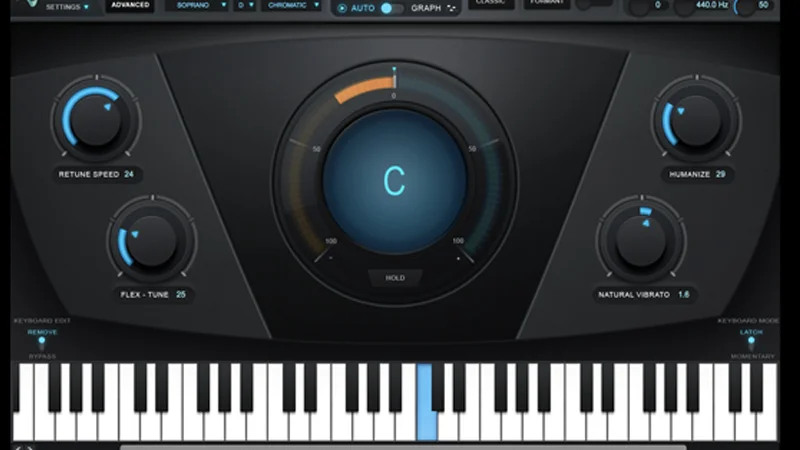
Auto-Tune
Published October 22, 2026
Auto-Tune, the pitch-correction software Antares Audio Technologies released in 1997, became viral meme fuel after Cher's 1998 single Believe exposed its robotic snapping effect and T-Pain made it his signature vocal sound in 200512. By 2009, YouTube was flooded with auto-tuned news clips, speeches and cartoon dialogue, and the Gregory Brothers were turning the plugin into a stage act at the 2011 Oscars3.
Overview
Auto-Tune memes center on the plugin's extreme setting, where the retune speed is dialed so low that vowels snap between notes instead of sliding, producing the robot-voice chirp heard on Cher's Believe2. YouTubers took that same setting and applied it to anything with a melodic contour: political speeches, cable news anchors, cooking shows and crying kids. 'T-Pain effect' tutorials made up a large share of early uploads, walking aspiring producers through recreating his sound in free DAWs5.
Two tones coexist within the format. Serious tutorials show how to achieve the pop radio polish heard on Lil Wayne's 'Lollipop'8. Silly uses lean into dissonance, auto-tuning speech until unintended melodies force a listener to hear a melody that was not there67. The Gregory Brothers formalized the comedic side with their Auto-Tune the News video series, cutting cable segments into R&B hooks3.
Gallery
Origin & Background
How It Spread
Timeline
How to Use This Meme
A typical auto-tuned video takes any speech or dialogue audio, drops it into a DAW with Auto-Tune on an aggressive setting (slow retune speed, locked to a single key), and lets the plugin force every syllable onto scale notes. Common conventions include adding a looping beat under the processed vocal and leaving the robotic artifacts audible rather than smoothing them out. News footage, political speeches and children's outbursts are the usual source material because their natural pitch variation produces the most melody when quantized7.
Frequently Asked Questions
References (8)
- 1
- 2
- 3
- 4
- 5
- 6
- 7
- 8