Goblincore

2019Internet aesthetic / subculturesemi-active

Also known as: Crowcore · Dirtcore · Cottagegoth · Feralcore · Gremlincore · Mushroomcore

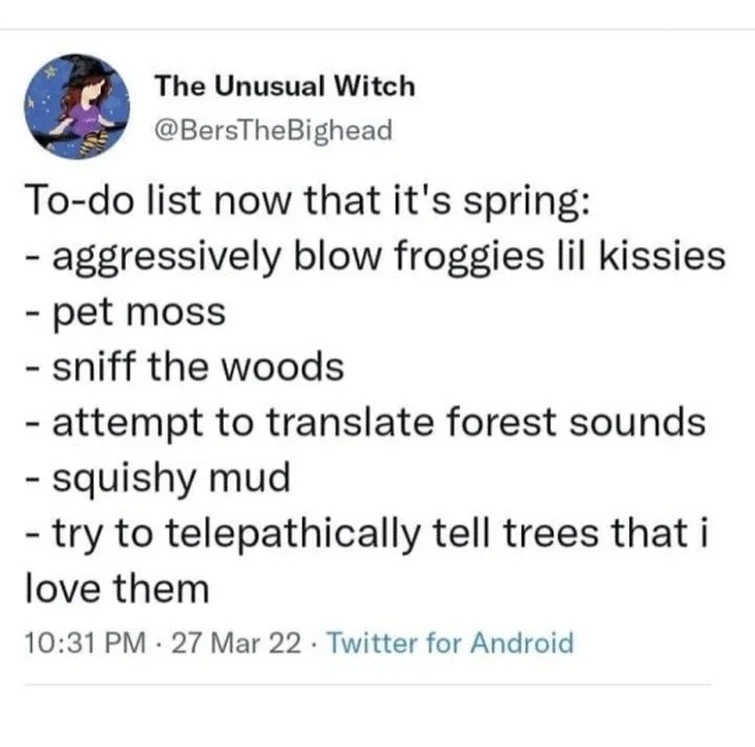
Goblincore is an internet aesthetic and subculture that celebrates the grimy, chaotic side of nature, from mushrooms and moss to frogs, snails, and cool rocks. It emerged on Tumblr in the late 2010s and hit peak popularity during the COVID-19 pandemic in 2020-20211. The aesthetic rejects conventional beauty standards in favor of dirt, clutter, and thrifted treasures, positioning itself as the scrappy, mud-loving sibling of cottagecore.

Overview

Goblincore is built around an appreciation for the parts of nature most people overlook or find gross. Think mushrooms, earthworms, animal bones, moss-covered rocks, and mud. The fashion leans heavily on thrifted and secondhand clothing, prioritizing comfort over polish, with brown and green tones dominating the palette alongside deliberately clashing colors1. Proponents collect shiny objects like old coins, small jewelry, bits of scrap metal, and silverware, mimicking the hoarding behavior of goblins from folklore1.

The aesthetic extends to home decor too. A goblincore living space looks less like an Instagram flat lay and more like a cluttered curiosity cabinet: unlabeled jars of rocks, shells scattered on shelves, buttons and beads in piles2. The vibe is maximalist and unapologetic. Where cottagecore imagines a sanitized pastoral fantasy, goblincore embraces the actual messiness of being outside.

Goblincore grew out of Tumblr's aesthetic community ecosystem in the late 2010s. The subculture drew inspiration from "dragoncore," an earlier Tumblr aesthetic focused on treasure hoards and gem collections. Goblincore took that hoarding concept and made it grittier, swapping flawless gems for damaged coins and cool rocks2.

According to Amanda Brennan, a librarian and internet trends researcher, goblincore "started picking up in spring 2019 and hit full steam in 2020 as people stumbled upon it during the pandemic"1. The timing made sense. Lockdowns pushed people outdoors for walks and hikes, and goblincore gave a name and community to the impulse of pocketing interesting rocks and photographing weird mushrooms.

Origin & Background

Platform
Tumblr (origin), TikTok / Reddit (viral spread)
Creator
Unknown
Date
2019

Goblincore grew out of Tumblr's aesthetic community ecosystem in the late 2010s. The subculture drew inspiration from "dragoncore," an earlier Tumblr aesthetic focused on treasure hoards and gem collections. Goblincore took that hoarding concept and made it grittier, swapping flawless gems for damaged coins and cool rocks2.

According to Amanda Brennan, a librarian and internet trends researcher, goblincore "started picking up in spring 2019 and hit full steam in 2020 as people stumbled upon it during the pandemic"1. The timing made sense. Lockdowns pushed people outdoors for walks and hikes, and goblincore gave a name and community to the impulse of pocketing interesting rocks and photographing weird mushrooms.

How It Spread

The pandemic era supercharged goblincore's growth. Between July 2020 and July 2021, the r/goblincore subreddit grew by 395%, reaching 19,000 subscribers1. E-commerce platform Etsy reported a 695% increase in goblincore-related searches in June 20211, as sellers capitalized on demand for mushroom jewelry, frog-themed ceramics, and moss-inspired decor.

TikTok played a major role in spreading the aesthetic beyond Tumblr. Users posted videos of their goblincore collections, nature walks, and thrift hauls, often set to whimsical or folk-inspired music. The hashtag became a gateway for broader conversations about anti-consumerism and queer identity within online aesthetic communities.

Platforms

TumblrTwitterTikTokReddit

Timeline

2020

Goblincore emerges as counter-aesthetic

2020-2021

Gains popularity as liberation aesthetic

2021-present

Remains active with devoted community

2022-01-01

Goblincore reached mainstream popularity and media coverage

2023-01-01

Brands and companies started using Goblincore in marketing

2025-01-01

Goblincore is still actively used and shared across platforms

View on Google Trends

How to Use This Meme

Goblincore isn't a meme template in the traditional sense. It's a lifestyle aesthetic that people participate in through:

- Fashion: Wearing thrifted, earthy-toned clothing. Comfort over style. Layers, mismatched patterns, and natural textures like linen and wool are common choices. - Collecting: Gathering shiny or interesting objects found outdoors. Rocks, shells, feathers, acorns, bits of sea glass, old keys. The more random the collection, the better2. - Home decor: Filling spaces with found objects, dried plants, animal skulls, terrariums, and general clutter. Bought-from-a-store decor is less valued than things you found on a hike1. - Content creation: Posting photos of mushrooms, snails, moss, and other "ugly cute" nature finds. Sharing your rock collection. Filming thrift hauls.

The general vibe is: if a goblin from a fantasy novel would hoard it, it's goblincore.

Create Your Own

Cultural Impact

Goblincore attracted attention from journalists and cultural commentators for its anti-consumerist ethos. Mashable writer Morgan Sung noted that "in a maximalist goblincore home, decor is found or built, not bought"1. The subculture pushed back against the polished, purchase-driven aesthetics dominating Instagram and Pinterest.

The aesthetic also became notable for its strong LGBTQ+ following, particularly among non-binary people. The catchphrase "no gender, only bugs" became a rallying cry within the community1. Journalist Sabrina Faramarzi described the core philosophy as being about "chaos, dirt and mud," and positioned goblincore as "cottagecore for those that actually spend time in nature, who know that nature is not sunlit wheat fields but gnarly forests and chaotic animals"1.

The subculture's connection to maximalism and escapism drew academic and cultural interest as well. Its rejection of conventional beauty standards, both in nature and in personal appearance, aligned it with broader countercultural movements around sustainability and anti-capitalism1.

Fun Facts

The subculture is directly inspired by the hoarding habits of goblins in folklore, particularly their love of shiny objects like coins and silverware1.

Goblincore fashion deliberately embraces clashing colors as part of its anti-conventional beauty stance1.

The r/goblincore subreddit nearly quintupled in size in a single year during the pandemic1.

Etsy saw a nearly 700% spike in goblincore searches in mid-20211.

Alternative names for the aesthetic include "feralcore" and "gremlincore," each emphasizing different aspects of the same messy, nature-loving philosophy1.

Derivatives & Variations

Rat aesthetic variations

A variation of Goblincore

(2020)

Chaos embracing aesthetics

A variation of Goblincore

(2020)

Anti-perfectionism movements

A variation of Goblincore

(2020)

Frequently Asked Questions

References (2)

  1. 1
    Goblincoreencyclopedia
  2. 2