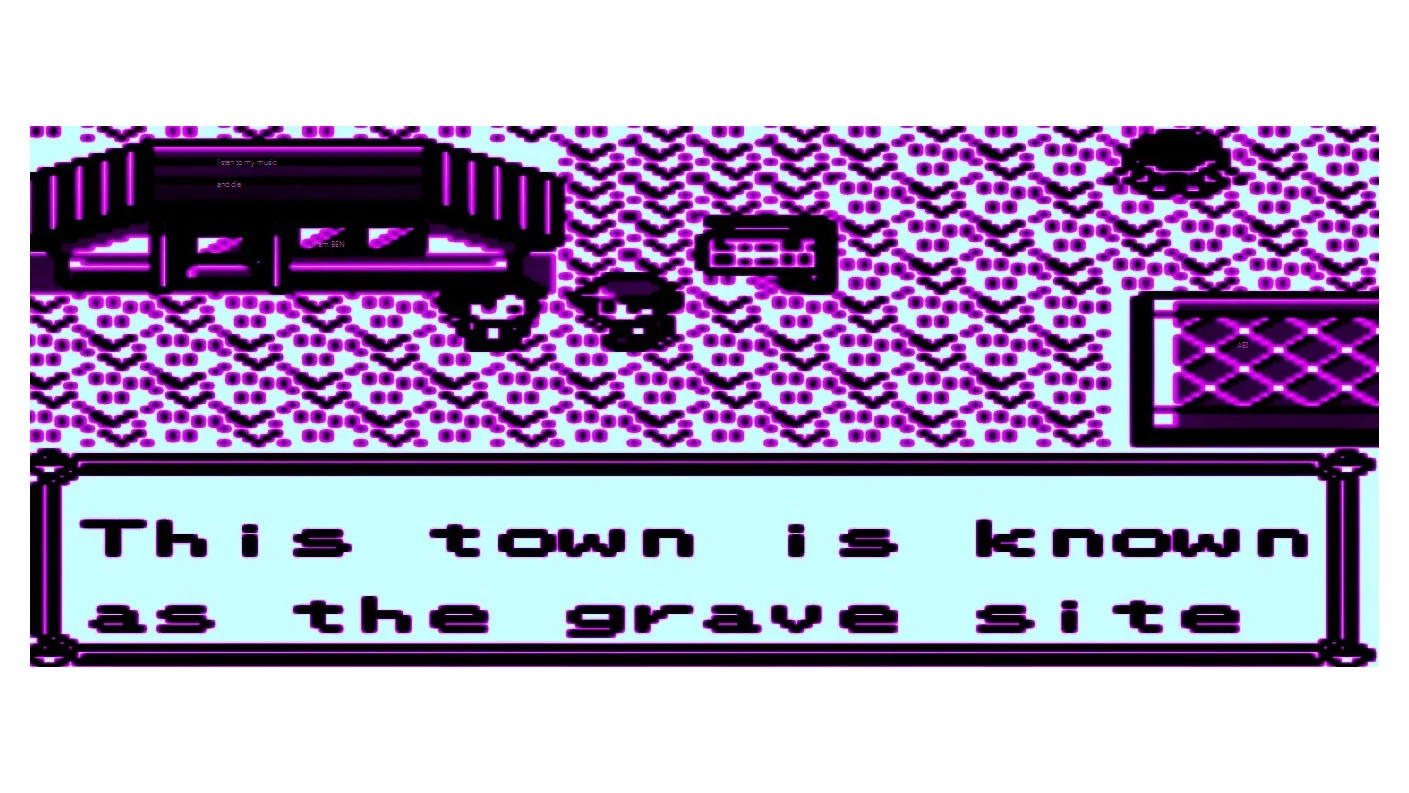
Lavender Town Syndrome Creepypasta
Published September 5, 2026
Lavender Town Syndrome, also known as the Lavender Town Tone or Lavender Town Suicides, is a Pokemon creepypasta claiming the eerie theme from the graveyard town in the original Japanese Red and Green cartridges drove around 100 Japanese children to suicide in 1996 through hidden binaural tones. First uploaded to Pastebin in February 2010, the tale spread across 4chan, YouTube and Yahoo! Answers into a staple video game urban legend of the early creepypasta era.
Overview
The pasta frames the story as a Nintendo cover-up: various versions claim the company hid high-frequency binaural tones in 104 of the original cartridges, triggering headaches, nosebleeds and suicidal thoughts in kids ages 10 to 15, with later retellings padding the myth with fake academic writeups and an invented interview with a Game Freak art director who supposedly said Satoshi Tajiri had them place the killer track only in the Red version3.
The format spans creepypasta text posts, YouTube videos pairing the original Japanese Lavender Town theme with static Ghost-type Pokemon imagery, and 'unfiltered' remixes of the tune claimed to be the true cursed original1. Blog comment sections drew responses ranging from believers sharing stories about cousins driven to suicide to skeptics debating Game Boy internal clocks and flash memory corruption2.
Gallery
Origin & Background
How It Spread
How to Use This Meme
The pasta is typically shared as text alongside audio of the original Japanese Lavender Town theme or a 'true' unfiltered remix, often with a warning to listen in a dark room with headphones. Retellings commonly recycle the '100 dead Japanese children' figure and the fake Game Freak interview, sometimes adding local touches like a personal story about a cousin or classmate.