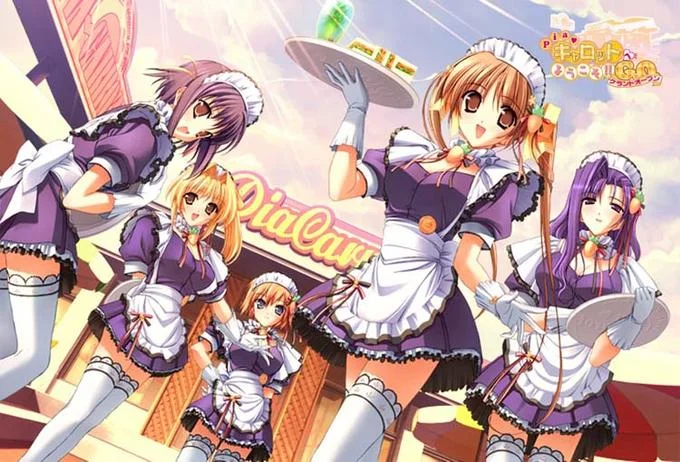
Maid Outfits
Published September 6, 2026
The Japanese meido outfit is a housemaid uniform loosely modeled on 19th-century French domestic staff, adapted into anime and video game aesthetics through 1990s visual novels and adult OVAs1. What started as a symbol of servant subservience in niche titles turned into one of the most-drawn fanart costumes in anime and the visual signature of the 2000s Tokyo maid café boom3.
Overview
The meido outfit, also known as Maid Outfits, is set apart from its Western French maid counterpart by leaning toward cuteness rather than sex appeal3. The look centers on a black dress with white trim, a white apron, a lace or ruffled headdress, stockings, and often heeled shoes1. In Japan, meido came to mean a specifically anime-flavored version of the uniform tuned for moe appeal rather than the fetish reading common in Western usage1.
Fanart artists routinely draw characters from anime, manga, and video games in meido attire even when the character never wore one in the source material3. Over 30,000 images tagged 'maid' can be found on Pixiv5, and the Danbooru wiki keeps a matching tag collection for the same trope6.
Gallery
Origin & Background
How It Spread
How to Use This Meme
The most common fanart convention is drawing an existing character, from any anime, manga, or game, wearing the meido uniform even if they never appeared in one in canon. Artists typically keep the core elements, black dress, white apron, headdress, stockings, but swap in accessories that match the character being depicted, such as color-matched trim or an animal-ear accent from a catgirl role5.
Frequently Asked Questions
References (6)
- 1
- 2
- 3
- 4
- 5
- 6