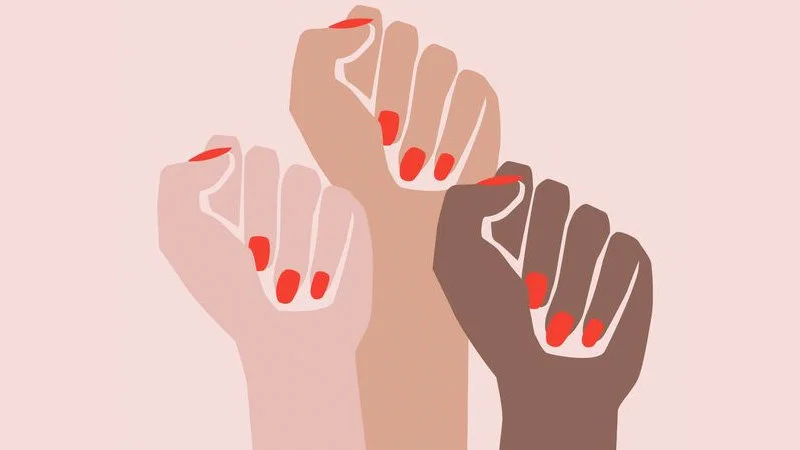
Metoo

2006Hashtag / social movement / awareness campaignclassic

Also known as: Me Too · #BalanceTonPorc (French equivalent) · Rice Bunny / 米兔 (Chinese equivalent)

#MeToo is a social movement hashtag that went viral in 2017 after Alyssa Milano's Harvey Weinstein tweet, becoming one of the internet's most powerful awareness campaigns for sexual assault survivors.

#MeToo is a social movement and hashtag against sexual harassment and assault that became one of the most powerful viral campaigns in internet history. Originally coined by activist Tarana Burke in 2006 to support survivors of sexual violence, the phrase exploded across social media in October 2017 after actress Alyssa Milano tweeted it in the wake of the Harvey Weinstein scandal1. Within 48 hours, the hashtag had been posted nearly a million times on Twitter and shared by 4.7 million Facebook users in 12 million posts1.

TL;DR

#MeToo is a social movement and hashtag against sexual harassment and assault that became one of the most powerful viral campaigns in internet history.

Overview

#MeToo is a two-word declaration of solidarity. Survivors of sexual harassment, assault, or abuse post the phrase on social media to signal they've experienced sexual violence, making visible the sheer scale of the problem. The format is deceptively simple: just the words "me too" paired with a hashtag. No image macro, no template, no punchline. The meme's power comes from mass participation. When thousands and then millions of people post the same two words, each carrying a personal weight behind them, the cumulative effect is staggering3.

The campaign operates differently from typical internet memes. There's no humor, no remix culture, no exploitable template. Instead, #MeToo functions as what researchers call a "participatory video meme" in text form: a shared framework that invites personal contribution2. Its virality came not from being funny or clever but from tapping into a massive, previously suppressed shared experience6.

Tarana Burke, a youth worker and advocate in New York City, first used the phrase "Me Too" in 2006 on Myspace3. Burke aimed to create a space for young women of color who had survived sexual violence, letting them know they weren't alone1. The phrase was born from Burke's own experience as a survivor and her work with Girls for Gender Equity in Brooklyn1.

For over a decade, "Me Too" existed as a grassroots effort with limited reach. Then on October 5, 2017, the New York Times published an investigation accusing film producer Harvey Weinstein of decades of sexual harassment3. Actresses Ashley Judd and Rose McGowan were among the first to speak publicly about Weinstein's behavior1.

On October 15, 2017, Alyssa Milano posted a tweet reading: "If you've been sexually harassed or assaulted write 'me too' as a reply to this tweet"9. Milano later said a friend suggested the idea, and she was initially unaware of Burke's earlier work with the phrase1. That single tweet ignited a global firestorm.

Origin & Background

Platform
Myspace (original phrase), Twitter (viral hashtag)
Key People
Tarana Burke, Alyssa Milano
Date
2006 (coined), 2017 (viral spread)

Tarana Burke, a youth worker and advocate in New York City, first used the phrase "Me Too" in 2006 on Myspace. Burke aimed to create a space for young women of color who had survived sexual violence, letting them know they weren't alone. The phrase was born from Burke's own experience as a survivor and her work with Girls for Gender Equity in Brooklyn.

For over a decade, "Me Too" existed as a grassroots effort with limited reach. Then on October 5, 2017, the New York Times published an investigation accusing film producer Harvey Weinstein of decades of sexual harassment. Actresses Ashley Judd and Rose McGowan were among the first to speak publicly about Weinstein's behavior.

On October 15, 2017, Alyssa Milano posted a tweet reading: "If you've been sexually harassed or assaulted write 'me too' as a reply to this tweet". Milano later said a friend suggested the idea, and she was initially unaware of Burke's earlier work with the phrase. That single tweet ignited a global firestorm.

How It Spread

The response to Milano's tweet was immediate and overwhelming. Twitter confirmed that #MeToo had been tweeted over half a million times by Monday morning, October 16. By the end of two days, the hashtag had appeared nearly a million times on Twitter alone. On Facebook, the numbers were even larger: approximately 4.7 million users shared 12 million #MeToo posts in fewer than 24 hours.

High-profile responses from celebrities including Gwyneth Paltrow, Jennifer Lawrence, Uma Thurman, and others amplified the movement's reach. The hashtag jumped platforms rapidly. French women adopted #BalanceTonPorc ("squeal on your pig") to share workplace harassment stories. In China, where state censorship blocked #MeToo-related hashtags, internet users created the "rice bunny" (米兔, pronounced "mi tu") meme. Pairing images of rice with a bunny, users could discuss the movement through an innocent-looking visual workaround.

SF State economist Sepideh Modrek, who studied over 12,000 geotagged #MeToo tweets from the first week, found that 11% of original tweets included a personal disclosure of sexual assault or abuse. The majority of people sharing were white women between 25 and 50, often reporting incidents that had occurred 20 to 30 years earlier. Modrek's research also revealed that African American women were underrepresented in disclosures despite facing equal or higher rates of sexual violence.

In Canada, police-reported instances of sexual assault jumped 25% in the three months following the hashtag's viral moment. Quebec saw a 61% increase over the same period.

How to Use This Meme

#MeToo isn't used like a typical meme template. People typically post the hashtag in one of three ways:

1

Simple declaration: Post "#MeToo" alone or as part of a short statement to indicate you've experienced sexual harassment or assault.

2

Personal story: Share a specific experience alongside the hashtag. Many people include details about what happened, when, and where.

3

Solidarity signal: Use the hashtag to show support for survivors without sharing your own story.

Cultural Impact

The #MeToo movement drove sweeping changes across industries and legal systems. Companies enacted new anti-harassment policies, and social pressure created a cultural shift that stigmatized sexually inappropriate workplace behavior. Burke advocated for processing all untested rape kits, updating school policies, improving teacher vetting, and mandating background checks for professionals who work with children.

A #MeToo bill was introduced in the U.S. Congress to remove the "cooling off" period required before federal government staffers could file complaints against Congress members. The movement prompted the formation of Time's Up, which raised over $13 million and assembled a network of nearly 800 attorneys.

Mainstream media coverage was enormous. Time named Burke Person of the Year. Research institutions studied the movement's dynamics: the SF State study documented the demographics and patterns of disclosure, while Facebook's internal data showed almost half of American users were friends with someone who posted about being sexually assaulted or harassed.

The movement's reach extended well beyond English-speaking countries. In dozens of languages, local equivalents emerged. The Chinese "rice bunny" workaround demonstrated how meme culture could circumvent state censorship, using the translinguistic homophone "mi tu" to coordinate a social movement in a country hostile to organized activism.

Full History

Burke's original "Me Too" was a quiet act of community building. Working with young women in underprivileged communities, she wanted survivors to know their experience was shared. For years, the phrase circulated in small advocacy circles. Burke spoke at events, earned the Ridenhour Prize for Courage, and was later named Time's Person of the Year for 2017. But the phrase didn't reach mass awareness until the Weinstein story broke everything open.

The Weinstein exposé, published by the New York Times in early October 2017, detailed allegations spanning decades. Within days, more women came forward. Rose McGowan, who alleged Weinstein had raped her, became an outspoken critic of Hollywood's culture of silence. McGowan's temporary suspension from Twitter for violating its rules sparked the #WomenWhoRoar campaign, which set the stage for Milano's viral tweet.

Milano's October 15 tweet drew over 25,000 direct responses in a matter of hours. Men also participated, with some posting #MeToo to share their own experiences of assault. The comedian Lane Moore told Bustle that the hashtag was simultaneously comforting and devastating: "That solace quickly turns into an overwhelming feeling of powerlessness and sadness and fear and horror because when will it stop?".

The movement quickly produced spin-off hashtags. Men created #HowIWillChange, pledging to hold themselves accountable, though critics called it performative. Writer Benjamin Law encouraged men to donate to shelters, call out misogyny, and report assaults under the hashtag. Others posted under #IveDoneThat, admitting to past harassment. Activists pushed back, questioning whether men were apologizing for their own catharsis rather than for their victims.

By January 2018, the movement's institutional response took shape. Over 300 prominent women in entertainment launched Time's Up, an initiative backed by $13 million in donations to fund legal defense for harassment survivors across industries. Major donors included Reese Witherspoon, Shonda Rhimes, Oprah Winfrey, and Steven Spielberg. The Time's Up Legal Defense Fund, housed at the National Women's Law Center, received requests from over 3,700 people across all 50 states in its first year and allocated more than $5 million to 75 cases.

The movement's fallout was swift for many accused men. Harvey Weinstein was expelled from the Academy of Motion Picture Arts and Sciences. Bill Cosby was convicted of sexual assault, though a Pennsylvania court later threw out the conviction in 2021. Casey Affleck stepped away from presenting the Best Actress Oscar, later telling the AP he had moved "from a place of being defensive to one of a more mature point of view" about creating unprofessional work environments. Charlie Rose was pitched a redemption interview series where he'd talk to other men toppled by #MeToo. Editor Tina Brown, who was approached to produce it, refused and remarked: "These guys are already planning their comebacks!".

The artistic response was striking. Poet Isobel O'Hare began creating erasure poems from the public apology statements of accused men, blacking out most of the text to reveal hidden meanings. Her erasure of Louis C.K.'s statement went viral. "I felt like I was revealing a hidden truth in their words," O'Hare told Mashable, "as well as, in some small way, reversing the erasure they had enacted against their victims".

The movement also generated backlash and complex debate. The Depp v. Heard trial in 2022 became a flashpoint. TikTok users turned Amber Heard's testimony into comedic content, and corporations like Milani and Duolingo weighed in through social media. Dr. Nancy Butler of Queen's University noted that "even though Heard's trial took place in a bubble of economic, racial, and social privilege, her story was not listened to". The trial demonstrated how internet culture could weaponize meme formats against the very survivors #MeToo aimed to protect.

At the grassroots level, the intersection of memes and sexual violence awareness proved complicated. When a high school football star in Boulder, Colorado was arrested on multiple sexual assault charges in 2019, local Instagram meme accounts turned the story into joke content. The school newspaper argued that while the memes got students talking, reducing sexual violence to punchlines risked trivializing survivors' experiences.

Fun Facts

Milano's tweet wasn't the first use of the phrase online. Burke had been using "Me Too" on Myspace since 2006, a full eleven years before the hashtag went viral.

Facebook reported that 4.7 million users made 12 million #MeToo-related posts in less than 24 hours, making it one of the fastest-spreading hashtag campaigns in the platform's history.

SF State researcher Sepideh Modrek stayed up until 2 a.m. taking screenshots of #MeToo tweets the night the hashtag went viral, compiling 400 pages of screenshots that became the basis for her published research.

The "rice bunny" Chinese equivalent is one of the clearest examples of how meme culture can serve as a tool for political subversion, using translinguistic homophones to dodge government censorship.

A 2018 study found that 81% of women and 43% of men in the United States reported experiencing some form of sexual harassment or assault.

Derivatives & Variations

#BalanceTonPorc:

French equivalent hashtag meaning "squeal on your pig," used by women to share workplace harassment stories[9].

Rice Bunny (米兔):

Chinese visual workaround using images of rice and bunnies, pronounced "mi tu," to evade censorship while discussing the movement[2].

#HowIWillChange:

Male-focused spin-off hashtag where men pledged to change their behavior, created by writer Benjamin Law[14].

#IveDoneThat / #IHave / #IWill:

Response hashtags where men admitted to past harassment or pledged future action[14].

Time's Up:

Institutional movement launched by 300+ women in entertainment, with a $13 million legal defense fund[8].

Erasure poems:

Poet Isobel O'Hare's viral art project that redacted celebrity apology statements to create new meanings from their words[10].

#WomenWhoRoar:

Precursor solidarity hashtag sparked by Rose McGowan's Twitter suspension[9].

Frequently Asked Questions

References (22)

  1. 1
  2. 2
  3. 3
  4. 4
    MeToo movementencyclopedia
  5. 5
  6. 6
  7. 7
  8. 8
  9. 9
    Sportsarticle
  10. 10
  11. 11
  12. 12
  13. 13
  14. 14
  15. 15
  16. 16
  17. 17
  18. 18
  19. 19
  20. 20
  21. 21
  22. 22

Metoo

2006Hashtag / social movement / awareness campaignclassic

Also known as: Me Too · #BalanceTonPorc (French equivalent) · Rice Bunny / 米兔 (Chinese equivalent)

#MeToo is a social movement hashtag that went viral in 2017 after Alyssa Milano's Harvey Weinstein tweet, becoming one of the internet's most powerful awareness campaigns for sexual assault survivors.

#MeToo is a social movement and hashtag against sexual harassment and assault that became one of the most powerful viral campaigns in internet history. Originally coined by activist Tarana Burke in 2006 to support survivors of sexual violence, the phrase exploded across social media in October 2017 after actress Alyssa Milano tweeted it in the wake of the Harvey Weinstein scandal. Within 48 hours, the hashtag had been posted nearly a million times on Twitter and shared by 4.7 million Facebook users in 12 million posts.

TL;DR

#MeToo is a social movement and hashtag against sexual harassment and assault that became one of the most powerful viral campaigns in internet history.

Overview

#MeToo is a two-word declaration of solidarity. Survivors of sexual harassment, assault, or abuse post the phrase on social media to signal they've experienced sexual violence, making visible the sheer scale of the problem. The format is deceptively simple: just the words "me too" paired with a hashtag. No image macro, no template, no punchline. The meme's power comes from mass participation. When thousands and then millions of people post the same two words, each carrying a personal weight behind them, the cumulative effect is staggering.

The campaign operates differently from typical internet memes. There's no humor, no remix culture, no exploitable template. Instead, #MeToo functions as what researchers call a "participatory video meme" in text form: a shared framework that invites personal contribution. Its virality came not from being funny or clever but from tapping into a massive, previously suppressed shared experience.

Tarana Burke, a youth worker and advocate in New York City, first used the phrase "Me Too" in 2006 on Myspace. Burke aimed to create a space for young women of color who had survived sexual violence, letting them know they weren't alone. The phrase was born from Burke's own experience as a survivor and her work with Girls for Gender Equity in Brooklyn.

For over a decade, "Me Too" existed as a grassroots effort with limited reach. Then on October 5, 2017, the New York Times published an investigation accusing film producer Harvey Weinstein of decades of sexual harassment. Actresses Ashley Judd and Rose McGowan were among the first to speak publicly about Weinstein's behavior.

On October 15, 2017, Alyssa Milano posted a tweet reading: "If you've been sexually harassed or assaulted write 'me too' as a reply to this tweet". Milano later said a friend suggested the idea, and she was initially unaware of Burke's earlier work with the phrase. That single tweet ignited a global firestorm.

Origin & Background

Platform
Myspace (original phrase), Twitter (viral hashtag)
Key People
Tarana Burke, Alyssa Milano
Date
2006 (coined), 2017 (viral spread)

Tarana Burke, a youth worker and advocate in New York City, first used the phrase "Me Too" in 2006 on Myspace. Burke aimed to create a space for young women of color who had survived sexual violence, letting them know they weren't alone. The phrase was born from Burke's own experience as a survivor and her work with Girls for Gender Equity in Brooklyn.

For over a decade, "Me Too" existed as a grassroots effort with limited reach. Then on October 5, 2017, the New York Times published an investigation accusing film producer Harvey Weinstein of decades of sexual harassment. Actresses Ashley Judd and Rose McGowan were among the first to speak publicly about Weinstein's behavior.

On October 15, 2017, Alyssa Milano posted a tweet reading: "If you've been sexually harassed or assaulted write 'me too' as a reply to this tweet". Milano later said a friend suggested the idea, and she was initially unaware of Burke's earlier work with the phrase. That single tweet ignited a global firestorm.

How It Spread

The response to Milano's tweet was immediate and overwhelming. Twitter confirmed that #MeToo had been tweeted over half a million times by Monday morning, October 16. By the end of two days, the hashtag had appeared nearly a million times on Twitter alone. On Facebook, the numbers were even larger: approximately 4.7 million users shared 12 million #MeToo posts in fewer than 24 hours.

High-profile responses from celebrities including Gwyneth Paltrow, Jennifer Lawrence, Uma Thurman, and others amplified the movement's reach. The hashtag jumped platforms rapidly. French women adopted #BalanceTonPorc ("squeal on your pig") to share workplace harassment stories. In China, where state censorship blocked #MeToo-related hashtags, internet users created the "rice bunny" (米兔, pronounced "mi tu") meme. Pairing images of rice with a bunny, users could discuss the movement through an innocent-looking visual workaround.

SF State economist Sepideh Modrek, who studied over 12,000 geotagged #MeToo tweets from the first week, found that 11% of original tweets included a personal disclosure of sexual assault or abuse. The majority of people sharing were white women between 25 and 50, often reporting incidents that had occurred 20 to 30 years earlier. Modrek's research also revealed that African American women were underrepresented in disclosures despite facing equal or higher rates of sexual violence.

In Canada, police-reported instances of sexual assault jumped 25% in the three months following the hashtag's viral moment. Quebec saw a 61% increase over the same period.

How to Use This Meme

#MeToo isn't used like a typical meme template. People typically post the hashtag in one of three ways:

1

Simple declaration: Post "#MeToo" alone or as part of a short statement to indicate you've experienced sexual harassment or assault.

2

Personal story: Share a specific experience alongside the hashtag. Many people include details about what happened, when, and where.

3

Solidarity signal: Use the hashtag to show support for survivors without sharing your own story.

Cultural Impact

The #MeToo movement drove sweeping changes across industries and legal systems. Companies enacted new anti-harassment policies, and social pressure created a cultural shift that stigmatized sexually inappropriate workplace behavior. Burke advocated for processing all untested rape kits, updating school policies, improving teacher vetting, and mandating background checks for professionals who work with children.

A #MeToo bill was introduced in the U.S. Congress to remove the "cooling off" period required before federal government staffers could file complaints against Congress members. The movement prompted the formation of Time's Up, which raised over $13 million and assembled a network of nearly 800 attorneys.

Mainstream media coverage was enormous. Time named Burke Person of the Year. Research institutions studied the movement's dynamics: the SF State study documented the demographics and patterns of disclosure, while Facebook's internal data showed almost half of American users were friends with someone who posted about being sexually assaulted or harassed.

The movement's reach extended well beyond English-speaking countries. In dozens of languages, local equivalents emerged. The Chinese "rice bunny" workaround demonstrated how meme culture could circumvent state censorship, using the translinguistic homophone "mi tu" to coordinate a social movement in a country hostile to organized activism.

Full History

Burke's original "Me Too" was a quiet act of community building. Working with young women in underprivileged communities, she wanted survivors to know their experience was shared. For years, the phrase circulated in small advocacy circles. Burke spoke at events, earned the Ridenhour Prize for Courage, and was later named Time's Person of the Year for 2017. But the phrase didn't reach mass awareness until the Weinstein story broke everything open.

The Weinstein exposé, published by the New York Times in early October 2017, detailed allegations spanning decades. Within days, more women came forward. Rose McGowan, who alleged Weinstein had raped her, became an outspoken critic of Hollywood's culture of silence. McGowan's temporary suspension from Twitter for violating its rules sparked the #WomenWhoRoar campaign, which set the stage for Milano's viral tweet.

Milano's October 15 tweet drew over 25,000 direct responses in a matter of hours. Men also participated, with some posting #MeToo to share their own experiences of assault. The comedian Lane Moore told Bustle that the hashtag was simultaneously comforting and devastating: "That solace quickly turns into an overwhelming feeling of powerlessness and sadness and fear and horror because when will it stop?".

The movement quickly produced spin-off hashtags. Men created #HowIWillChange, pledging to hold themselves accountable, though critics called it performative. Writer Benjamin Law encouraged men to donate to shelters, call out misogyny, and report assaults under the hashtag. Others posted under #IveDoneThat, admitting to past harassment. Activists pushed back, questioning whether men were apologizing for their own catharsis rather than for their victims.

By January 2018, the movement's institutional response took shape. Over 300 prominent women in entertainment launched Time's Up, an initiative backed by $13 million in donations to fund legal defense for harassment survivors across industries. Major donors included Reese Witherspoon, Shonda Rhimes, Oprah Winfrey, and Steven Spielberg. The Time's Up Legal Defense Fund, housed at the National Women's Law Center, received requests from over 3,700 people across all 50 states in its first year and allocated more than $5 million to 75 cases.

The movement's fallout was swift for many accused men. Harvey Weinstein was expelled from the Academy of Motion Picture Arts and Sciences. Bill Cosby was convicted of sexual assault, though a Pennsylvania court later threw out the conviction in 2021. Casey Affleck stepped away from presenting the Best Actress Oscar, later telling the AP he had moved "from a place of being defensive to one of a more mature point of view" about creating unprofessional work environments. Charlie Rose was pitched a redemption interview series where he'd talk to other men toppled by #MeToo. Editor Tina Brown, who was approached to produce it, refused and remarked: "These guys are already planning their comebacks!".

The artistic response was striking. Poet Isobel O'Hare began creating erasure poems from the public apology statements of accused men, blacking out most of the text to reveal hidden meanings. Her erasure of Louis C.K.'s statement went viral. "I felt like I was revealing a hidden truth in their words," O'Hare told Mashable, "as well as, in some small way, reversing the erasure they had enacted against their victims".

The movement also generated backlash and complex debate. The Depp v. Heard trial in 2022 became a flashpoint. TikTok users turned Amber Heard's testimony into comedic content, and corporations like Milani and Duolingo weighed in through social media. Dr. Nancy Butler of Queen's University noted that "even though Heard's trial took place in a bubble of economic, racial, and social privilege, her story was not listened to". The trial demonstrated how internet culture could weaponize meme formats against the very survivors #MeToo aimed to protect.

At the grassroots level, the intersection of memes and sexual violence awareness proved complicated. When a high school football star in Boulder, Colorado was arrested on multiple sexual assault charges in 2019, local Instagram meme accounts turned the story into joke content. The school newspaper argued that while the memes got students talking, reducing sexual violence to punchlines risked trivializing survivors' experiences.

Fun Facts

Milano's tweet wasn't the first use of the phrase online. Burke had been using "Me Too" on Myspace since 2006, a full eleven years before the hashtag went viral.

Facebook reported that 4.7 million users made 12 million #MeToo-related posts in less than 24 hours, making it one of the fastest-spreading hashtag campaigns in the platform's history.

SF State researcher Sepideh Modrek stayed up until 2 a.m. taking screenshots of #MeToo tweets the night the hashtag went viral, compiling 400 pages of screenshots that became the basis for her published research.

The "rice bunny" Chinese equivalent is one of the clearest examples of how meme culture can serve as a tool for political subversion, using translinguistic homophones to dodge government censorship.

A 2018 study found that 81% of women and 43% of men in the United States reported experiencing some form of sexual harassment or assault.

Derivatives & Variations

#BalanceTonPorc:

French equivalent hashtag meaning "squeal on your pig," used by women to share workplace harassment stories[9].

Rice Bunny (米兔):

Chinese visual workaround using images of rice and bunnies, pronounced "mi tu," to evade censorship while discussing the movement[2].

#HowIWillChange:

Male-focused spin-off hashtag where men pledged to change their behavior, created by writer Benjamin Law[14].

#IveDoneThat / #IHave / #IWill:

Response hashtags where men admitted to past harassment or pledged future action[14].

Time's Up:

Institutional movement launched by 300+ women in entertainment, with a $13 million legal defense fund[8].

Erasure poems:

Poet Isobel O'Hare's viral art project that redacted celebrity apology statements to create new meanings from their words[10].

#WomenWhoRoar:

Precursor solidarity hashtag sparked by Rose McGowan's Twitter suspension[9].

Frequently Asked Questions

References (22)

  1. 1
  2. 2
  3. 3
  4. 4
    MeToo movementencyclopedia
  5. 5
  6. 6
  7. 7
  8. 8
  9. 9
    Sportsarticle
  10. 10
  11. 11
  12. 12
  13. 13
  14. 14
  15. 15
  16. 16
  17. 17
  18. 18
  19. 19
  20. 20
  21. 21
  22. 22