Yesallwomen

2014Hashtag campaign / social media activismclassic

Also known as: Yes All Women · YesAllWomen

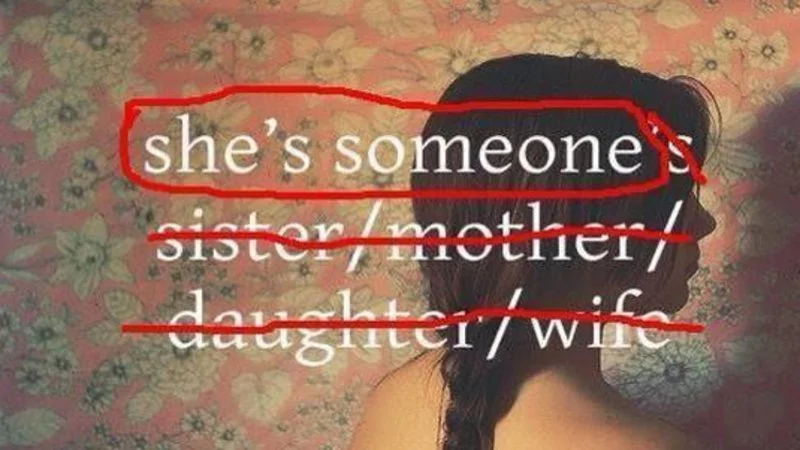
#YesAllWomen is a 2014 Twitter hashtag launched by @gildedspine where women countered #NotAllMen by sharing personal accounts of sexism and harassment sparked by the Isla Vista killings, accumulating 1.2 million tweets in four days.

#YesAllWomen is a Twitter hashtag campaign that launched on May 24, 2014, in direct response to the Isla Vista killings, where women shared personal stories of sexism, harassment, and gender-based violence1. Created by Twitter user @gildedspine as a counter to the defensive #NotAllMen hashtag, it was tweeted over 1.2 million times in its first four days and sparked a global conversation about everyday misogyny2. The hashtag became one of the landmark moments in hashtag feminism, predating and helping lay groundwork for the #MeToo movement7.

TL;DR

#YesAllWomen is a Twitter hashtag campaign that launched on May 24, 2014, in direct response to the Isla Vista killings, where women shared personal stories of sexism, harassment, and gender-based violence.

Overview

#YesAllWomen is a hashtag used on Twitter (now X) to share examples of misogyny, sexual harassment, and violence against women. The format is simple: users write a personal experience or observation about gendered mistreatment, then tag it with #YesAllWomen. The name itself is a direct rebuttal to the #NotAllMen defense, flipping the framing from "not all men are like that" to "yes, all women experience this"2.

Tweets typically follow a "because" structure, starting with #YesAllWomen and then stating a reason. Examples ranged from everyday indignities like dress code double standards to serious accounts of assault and stalking1. The hashtag drew its power from sheer volume. Thousands of women posting simultaneously created an overwhelming record of shared experience that was difficult to dismiss as isolated incidents6.

On May 23, 2014, 22-year-old Elliot Rodger killed six people and injured fourteen others near the University of California, Santa Barbara, before taking his own life3. In the days before the attack, Rodger had posted YouTube videos and written a 147-page manifesto filled with hatred toward women, raging about romantic rejection and declaring himself "the supreme gentleman" who deserved female attention1.

When some men on Twitter responded to the killings with #NotAllMen, arguing that most men would never commit such violence, Twitter user @gildedspine created the hashtag #YesAllWomen on May 24, 20142. Writer Annie Cardi (@anniecardi) was the second person to use the tag, tweeting: "Sounds like something that needs to get shared right now. #YesAllWomen"1. Cardi later told Mashable she saw herself as "a supporter of the phenomenon rather than an originator"1. @gildedspine later made her account private to protect her identity, though The Toast published a reflection piece by her on the hashtag's anniversary in 20152.

Origin & Background

Platform
Twitter
Key People
@gildedspine, Annie Cardi
Date
2014

On May 23, 2014, 22-year-old Elliot Rodger killed six people and injured fourteen others near the University of California, Santa Barbara, before taking his own life. In the days before the attack, Rodger had posted YouTube videos and written a 147-page manifesto filled with hatred toward women, raging about romantic rejection and declaring himself "the supreme gentleman" who deserved female attention.

When some men on Twitter responded to the killings with #NotAllMen, arguing that most men would never commit such violence, Twitter user @gildedspine created the hashtag #YesAllWomen on May 24, 2014. Writer Annie Cardi (@anniecardi) was the second person to use the tag, tweeting: "Sounds like something that needs to get shared right now. #YesAllWomen". Cardi later told Mashable she saw herself as "a supporter of the phenomenon rather than an originator". @gildedspine later made her account private to protect her identity, though The Toast published a reflection piece by her on the hashtag's anniversary in 2015.

How It Spread

The hashtag exploded within hours. By May 25, it was peaking at 61,500 tweets per day, and within four days it had been used over 1.2 million times according to Hashtags.org, with Topsy pegging the number at just over 1 million. Twitter itself created an animated heatmap showing the hashtag spreading from the U.S. and U.K. to countries including Pakistan, Indonesia, and Qatar.

On May 25, celebrities began participating. Actress and writer Lena Dunham tweeted about being threatened by a "disturbed boy" in high school who told her "if I didn't choose to love him he would make me," followed by graphic threats. Amy Schumer, Felicia Day, and singer Aimee Mann also shared their experiences. Mann tweeted about cops asking "Well, what were you wearing?" when she reported an attack. Author Neil Gaiman wrote that the hashtag was "filled with hard, true, sad and angry things".

Major media coverage arrived almost immediately. On May 25, BuzzFeed published a roundup of #YesAllWomen tweets. On May 26, Mashable ran a detailed origin story, CNN covered the hashtag's link to Rodger's misogynistic writings, and The New Yorker published an essay by Sasha Weiss calling the campaign "a kind of memorial, a stern demand for a more just society". The Washington Post and other outlets followed the same day.

A dedicated Twitter account, @Yesallwomen, launched on May 26 and gained over 13,000 followers within 48 hours. By late May, Topsy counted nearly 2 million tweets using the hashtag.

How to Use This Meme

The basic format is straightforward: write a statement about misogyny, harassment, or gender-based violence, and add #YesAllWomen. Most tweets follow one of several patterns:

- The "because" format: "#YesAllWomen because [personal experience or systemic observation]." This is the most common structure. - The counter-narrative: Responding to a dismissive argument (like "not all men") by redirecting focus to women's lived experiences. - The statistic or fact: Sharing a data point about gendered violence or inequality with the hashtag attached.

The hashtag is typically used during moments when misogyny or gender violence enters public discussion, though it can be used anytime to share relevant experiences. It works best as part of collective action rather than isolated posts.

Cultural Impact

#YesAllWomen is widely considered a watershed moment in hashtag activism and digital feminism. The New Yorker's Sasha Weiss praised Twitter as "an especially powerful vehicle for activism" in the context of the campaign, noting something powerful about the platform's design for "short, strong, declarative utterance". Cynthia Calkins Mercado, an associate psychology professor, told The Kansas City Star that the hashtag changed her mind about the prevalence of misogyny in American society.

Rebecca Solnit described #YesAllWomen as a moment "in which you could see change happen," crediting it with popularizing the concept of "sexual entitlement" and shifting how rape is discussed publicly. The Los Angeles Times' Robin Abcarian wrote that "the cultural moment seems especially ripe for a discussion of how women's lives fundamentally differ from men's".

The academic community took notice as well. A peer-reviewed study in Nature found the hashtag spread across 32 countries and identified it as a significant case study in how online activism can generate real-world solidarity and social change. The #HashtagActivism book dedicated a chapter to #YesAllWomen as a key example of networked feminist organizing.

The campaign laid important groundwork for later movements. The 2017 #MeToo explosion followed a similar template of mass self-disclosure about gendered violence, with #YesAllWomen cited as a direct predecessor. Other feminist hashtags including #BeenRapedNeverReported, #WhyIStayed, and #NiUnaMenos followed the same model of collective testimony.

Full History

The first wave of #YesAllWomen tweets focused on the gap between Rodger's extreme violence and the everyday sexism women recognized in his language. Rachel Sklar, founder of THEli.st, told CNN: "There was a familiarity in that language that really hit home for a lot of women who live with this implicit threat of danger all the time". Terry O'Neill, president of the National Organization for Women, told Mashable: "This young man was able to express all of this misogyny, and people sort of rolled their eyes and shrugged it off. The point of the hashtag is that... it doesn't take much for a sense of entitlement to translate into violence".

Some of the most widely shared tweets highlighted how women navigate daily life differently from men. Annie Cardi's original contribution read: "Because women are taught to carry our keys like a weapon in case we're attacked in a parking lot". Others pointed to systemic issues: "Because in about 30 states, rapists whose victims choose to keep the baby can get parental rights, like weekend visitation". Men also participated, with author Ken Jennings tweeting: "Twitter ruined my life but it has really justified its existence in the last 36 hours with #YesAllWomen".

On May 26, blogger and author Deanna Zandt launched the Tumblr page "When Women Refuse," collecting documented cases of violence against women who rejected men's sexual advances. The blog was inspired by writer Kate Harding, who had been curating similar links on Facebook. It rapidly drew attention, with HuffPost, Mashable, and The Washington Post all covering it within days. The page drove home that Rodger's attack was not an anomaly but part of a broader pattern of retaliatory violence.

Also on May 26, the satirical hashtag #YesAllCats was first tweeted by user SunnyDownSnuf. It accumulated over 11,000 tweets within a week. Two days later, on May 28, user PenguinGalaxy introduced #AllMenCan as a space for men to discuss reducing sexism, framing it not as what men "should" do but what they "can" do. That hashtag also broke 11,000 tweets in under a week and was covered by PolicyMic and Feministing.

On June 1, cartoonists Michael Kupperman and David Rees had a political cartoon satirizing the men's rights movement's response to #YesAllWomen scheduled for The New York Times. The newspaper pulled it, deeming the subject matter "too sensitive" to publish. Both cartoonists uploaded the comic independently in protest. The Times ran a different comic tackling similar themes by Brian McFadden that same weekend.

The hashtag reignited on June 6 when Washington Post columnist George F. Will published an op-ed suggesting that being a victim of sexual assault could become "a coveted status" on college campuses. The backlash was swift: the hashtag #SurvivorPrivilege generated up to 20,000 mentions in its first week. The St. Louis Post-Dispatch dropped Will's column in response to the controversy.

On June 20, writer Mikki Kendall posted about street harassment not being a form of courtship. When a male user replied asking if women had "ever considered that some men might just be striking up conversations," Kendall launched #NotJustHello to distinguish harassment from polite greetings. The Daily Dot covered notable tweets from the discussion that same day.

A 2025 study published in Nature's Humanities and Social Sciences Communications analyzed 38,500 #YesAllWomen tweets from 2014 to 2021 across 32 countries. Researchers identified four key themes: trepidation; backlash and trolling; unity and support; and hashtag activism. The most prominent themes expressed a desire to share stories and promote change. The study concluded that while violence against women stayed pervasive, hashtag activism created real opportunities for "healing, support, and the potential for social change".

Later critics noted the hashtag's limitations. The #HashtagActivism book described how #YesAllWhiteWomen emerged to address the mainstream hashtag's lack of intersectionality. Samantha Levine at The Daily Beast warned that conflating minor complaints with the Isla Vista killings risked trivializing actual violence. Despite these critiques, scholars like Rebecca Solnit credited #YesAllWomen with popularizing the concept of "sexual entitlement" and changing how society talks about rape.

Fun Facts

Twitter built an animated heatmap specifically for #YesAllWomen, visualizing its spread from the U.S. across the globe over the launch weekend.

Annie Cardi, the second person to use the hashtag, described herself as "a supporter of the phenomenon rather than an originator," giving credit to @gildedspine.

The New York Times killed a political cartoon satirizing the men's rights response to #YesAllWomen, calling the subject "too sensitive." Both cartoonists published it independently.

A 2025 Nature study found #YesAllWomen tweets in 32 countries spanning seven years, with the most prominent theme being a desire to share stories and promote change.

Facebook removed a page extolling Rodger as a "hero" in the "struggle against feminazi ideology" in the days following the hashtag's creation.

Derivatives & Variations

#YesAllCats

— A satirical spinoff tweeted first by user SunnyDownSnuf on May 26, 2014, applying the format to cats. It gained over 11,000 tweets in a week[5].

#AllMenCan

— Launched May 28, 2014, by user PenguinGalaxy as a constructive space for men to discuss fighting sexism. Covered by PolicyMic and Feministing[10].

#NotJustHello

— Created June 20, 2014, by writer Mikki Kendall to distinguish street harassment from polite greetings. Covered by The Daily Dot[5].

#SurvivorPrivilege

— Emerged June 2014 in response to George Will's Washington Post column about campus sexual assault. Generated 20,000 mentions in its first week[5].

When Women Refuse

— A Tumblr page launched May 26, 2014, by Deanna Zandt, collecting documented cases of violence against women who rejected men. Featured by HuffPost and Mashable[12].

#YesAllWhiteWomen

— A later hashtag addressing the lack of intersectionality in the mainstream #YesAllWomen conversation[13].

Frequently Asked Questions

References (20)

  1. 1
  2. 2
  3. 3
  4. 4
  5. 5
    YesAllWomenencyclopedia
  6. 6
  7. 7
  8. 8
  9. 9
  10. 10
  11. 11
  12. 12
  13. 13
  14. 14
  15. 15
  16. 16
  17. 17
  18. 18
  19. 19
  20. 20

Yesallwomen

2014Hashtag campaign / social media activismclassic

Also known as: Yes All Women · YesAllWomen

#YesAllWomen is a 2014 Twitter hashtag launched by @gildedspine where women countered #NotAllMen by sharing personal accounts of sexism and harassment sparked by the Isla Vista killings, accumulating 1.2 million tweets in four days.

#YesAllWomen is a Twitter hashtag campaign that launched on May 24, 2014, in direct response to the Isla Vista killings, where women shared personal stories of sexism, harassment, and gender-based violence. Created by Twitter user @gildedspine as a counter to the defensive #NotAllMen hashtag, it was tweeted over 1.2 million times in its first four days and sparked a global conversation about everyday misogyny. The hashtag became one of the landmark moments in hashtag feminism, predating and helping lay groundwork for the #MeToo movement.

TL;DR

#YesAllWomen is a Twitter hashtag campaign that launched on May 24, 2014, in direct response to the Isla Vista killings, where women shared personal stories of sexism, harassment, and gender-based violence.

Overview

#YesAllWomen is a hashtag used on Twitter (now X) to share examples of misogyny, sexual harassment, and violence against women. The format is simple: users write a personal experience or observation about gendered mistreatment, then tag it with #YesAllWomen. The name itself is a direct rebuttal to the #NotAllMen defense, flipping the framing from "not all men are like that" to "yes, all women experience this".

Tweets typically follow a "because" structure, starting with #YesAllWomen and then stating a reason. Examples ranged from everyday indignities like dress code double standards to serious accounts of assault and stalking. The hashtag drew its power from sheer volume. Thousands of women posting simultaneously created an overwhelming record of shared experience that was difficult to dismiss as isolated incidents.

On May 23, 2014, 22-year-old Elliot Rodger killed six people and injured fourteen others near the University of California, Santa Barbara, before taking his own life. In the days before the attack, Rodger had posted YouTube videos and written a 147-page manifesto filled with hatred toward women, raging about romantic rejection and declaring himself "the supreme gentleman" who deserved female attention.

When some men on Twitter responded to the killings with #NotAllMen, arguing that most men would never commit such violence, Twitter user @gildedspine created the hashtag #YesAllWomen on May 24, 2014. Writer Annie Cardi (@anniecardi) was the second person to use the tag, tweeting: "Sounds like something that needs to get shared right now. #YesAllWomen". Cardi later told Mashable she saw herself as "a supporter of the phenomenon rather than an originator". @gildedspine later made her account private to protect her identity, though The Toast published a reflection piece by her on the hashtag's anniversary in 2015.

Origin & Background

Platform
Twitter
Key People
@gildedspine, Annie Cardi
Date
2014

On May 23, 2014, 22-year-old Elliot Rodger killed six people and injured fourteen others near the University of California, Santa Barbara, before taking his own life. In the days before the attack, Rodger had posted YouTube videos and written a 147-page manifesto filled with hatred toward women, raging about romantic rejection and declaring himself "the supreme gentleman" who deserved female attention.

When some men on Twitter responded to the killings with #NotAllMen, arguing that most men would never commit such violence, Twitter user @gildedspine created the hashtag #YesAllWomen on May 24, 2014. Writer Annie Cardi (@anniecardi) was the second person to use the tag, tweeting: "Sounds like something that needs to get shared right now. #YesAllWomen". Cardi later told Mashable she saw herself as "a supporter of the phenomenon rather than an originator". @gildedspine later made her account private to protect her identity, though The Toast published a reflection piece by her on the hashtag's anniversary in 2015.

How It Spread

The hashtag exploded within hours. By May 25, it was peaking at 61,500 tweets per day, and within four days it had been used over 1.2 million times according to Hashtags.org, with Topsy pegging the number at just over 1 million. Twitter itself created an animated heatmap showing the hashtag spreading from the U.S. and U.K. to countries including Pakistan, Indonesia, and Qatar.

On May 25, celebrities began participating. Actress and writer Lena Dunham tweeted about being threatened by a "disturbed boy" in high school who told her "if I didn't choose to love him he would make me," followed by graphic threats. Amy Schumer, Felicia Day, and singer Aimee Mann also shared their experiences. Mann tweeted about cops asking "Well, what were you wearing?" when she reported an attack. Author Neil Gaiman wrote that the hashtag was "filled with hard, true, sad and angry things".

Major media coverage arrived almost immediately. On May 25, BuzzFeed published a roundup of #YesAllWomen tweets. On May 26, Mashable ran a detailed origin story, CNN covered the hashtag's link to Rodger's misogynistic writings, and The New Yorker published an essay by Sasha Weiss calling the campaign "a kind of memorial, a stern demand for a more just society". The Washington Post and other outlets followed the same day.

A dedicated Twitter account, @Yesallwomen, launched on May 26 and gained over 13,000 followers within 48 hours. By late May, Topsy counted nearly 2 million tweets using the hashtag.

How to Use This Meme

The basic format is straightforward: write a statement about misogyny, harassment, or gender-based violence, and add #YesAllWomen. Most tweets follow one of several patterns:

- The "because" format: "#YesAllWomen because [personal experience or systemic observation]." This is the most common structure. - The counter-narrative: Responding to a dismissive argument (like "not all men") by redirecting focus to women's lived experiences. - The statistic or fact: Sharing a data point about gendered violence or inequality with the hashtag attached.

The hashtag is typically used during moments when misogyny or gender violence enters public discussion, though it can be used anytime to share relevant experiences. It works best as part of collective action rather than isolated posts.

Cultural Impact

#YesAllWomen is widely considered a watershed moment in hashtag activism and digital feminism. The New Yorker's Sasha Weiss praised Twitter as "an especially powerful vehicle for activism" in the context of the campaign, noting something powerful about the platform's design for "short, strong, declarative utterance". Cynthia Calkins Mercado, an associate psychology professor, told The Kansas City Star that the hashtag changed her mind about the prevalence of misogyny in American society.

Rebecca Solnit described #YesAllWomen as a moment "in which you could see change happen," crediting it with popularizing the concept of "sexual entitlement" and shifting how rape is discussed publicly. The Los Angeles Times' Robin Abcarian wrote that "the cultural moment seems especially ripe for a discussion of how women's lives fundamentally differ from men's".

The academic community took notice as well. A peer-reviewed study in Nature found the hashtag spread across 32 countries and identified it as a significant case study in how online activism can generate real-world solidarity and social change. The #HashtagActivism book dedicated a chapter to #YesAllWomen as a key example of networked feminist organizing.

The campaign laid important groundwork for later movements. The 2017 #MeToo explosion followed a similar template of mass self-disclosure about gendered violence, with #YesAllWomen cited as a direct predecessor. Other feminist hashtags including #BeenRapedNeverReported, #WhyIStayed, and #NiUnaMenos followed the same model of collective testimony.

Full History

The first wave of #YesAllWomen tweets focused on the gap between Rodger's extreme violence and the everyday sexism women recognized in his language. Rachel Sklar, founder of THEli.st, told CNN: "There was a familiarity in that language that really hit home for a lot of women who live with this implicit threat of danger all the time". Terry O'Neill, president of the National Organization for Women, told Mashable: "This young man was able to express all of this misogyny, and people sort of rolled their eyes and shrugged it off. The point of the hashtag is that... it doesn't take much for a sense of entitlement to translate into violence".

Some of the most widely shared tweets highlighted how women navigate daily life differently from men. Annie Cardi's original contribution read: "Because women are taught to carry our keys like a weapon in case we're attacked in a parking lot". Others pointed to systemic issues: "Because in about 30 states, rapists whose victims choose to keep the baby can get parental rights, like weekend visitation". Men also participated, with author Ken Jennings tweeting: "Twitter ruined my life but it has really justified its existence in the last 36 hours with #YesAllWomen".

On May 26, blogger and author Deanna Zandt launched the Tumblr page "When Women Refuse," collecting documented cases of violence against women who rejected men's sexual advances. The blog was inspired by writer Kate Harding, who had been curating similar links on Facebook. It rapidly drew attention, with HuffPost, Mashable, and The Washington Post all covering it within days. The page drove home that Rodger's attack was not an anomaly but part of a broader pattern of retaliatory violence.

Also on May 26, the satirical hashtag #YesAllCats was first tweeted by user SunnyDownSnuf. It accumulated over 11,000 tweets within a week. Two days later, on May 28, user PenguinGalaxy introduced #AllMenCan as a space for men to discuss reducing sexism, framing it not as what men "should" do but what they "can" do. That hashtag also broke 11,000 tweets in under a week and was covered by PolicyMic and Feministing.

On June 1, cartoonists Michael Kupperman and David Rees had a political cartoon satirizing the men's rights movement's response to #YesAllWomen scheduled for The New York Times. The newspaper pulled it, deeming the subject matter "too sensitive" to publish. Both cartoonists uploaded the comic independently in protest. The Times ran a different comic tackling similar themes by Brian McFadden that same weekend.

The hashtag reignited on June 6 when Washington Post columnist George F. Will published an op-ed suggesting that being a victim of sexual assault could become "a coveted status" on college campuses. The backlash was swift: the hashtag #SurvivorPrivilege generated up to 20,000 mentions in its first week. The St. Louis Post-Dispatch dropped Will's column in response to the controversy.

On June 20, writer Mikki Kendall posted about street harassment not being a form of courtship. When a male user replied asking if women had "ever considered that some men might just be striking up conversations," Kendall launched #NotJustHello to distinguish harassment from polite greetings. The Daily Dot covered notable tweets from the discussion that same day.

A 2025 study published in Nature's Humanities and Social Sciences Communications analyzed 38,500 #YesAllWomen tweets from 2014 to 2021 across 32 countries. Researchers identified four key themes: trepidation; backlash and trolling; unity and support; and hashtag activism. The most prominent themes expressed a desire to share stories and promote change. The study concluded that while violence against women stayed pervasive, hashtag activism created real opportunities for "healing, support, and the potential for social change".

Later critics noted the hashtag's limitations. The #HashtagActivism book described how #YesAllWhiteWomen emerged to address the mainstream hashtag's lack of intersectionality. Samantha Levine at The Daily Beast warned that conflating minor complaints with the Isla Vista killings risked trivializing actual violence. Despite these critiques, scholars like Rebecca Solnit credited #YesAllWomen with popularizing the concept of "sexual entitlement" and changing how society talks about rape.

Fun Facts

Twitter built an animated heatmap specifically for #YesAllWomen, visualizing its spread from the U.S. across the globe over the launch weekend.

Annie Cardi, the second person to use the hashtag, described herself as "a supporter of the phenomenon rather than an originator," giving credit to @gildedspine.

The New York Times killed a political cartoon satirizing the men's rights response to #YesAllWomen, calling the subject "too sensitive." Both cartoonists published it independently.

A 2025 Nature study found #YesAllWomen tweets in 32 countries spanning seven years, with the most prominent theme being a desire to share stories and promote change.

Facebook removed a page extolling Rodger as a "hero" in the "struggle against feminazi ideology" in the days following the hashtag's creation.

Derivatives & Variations

#YesAllCats

— A satirical spinoff tweeted first by user SunnyDownSnuf on May 26, 2014, applying the format to cats. It gained over 11,000 tweets in a week[5].

#AllMenCan

— Launched May 28, 2014, by user PenguinGalaxy as a constructive space for men to discuss fighting sexism. Covered by PolicyMic and Feministing[10].

#NotJustHello

— Created June 20, 2014, by writer Mikki Kendall to distinguish street harassment from polite greetings. Covered by The Daily Dot[5].

#SurvivorPrivilege

— Emerged June 2014 in response to George Will's Washington Post column about campus sexual assault. Generated 20,000 mentions in its first week[5].

When Women Refuse

— A Tumblr page launched May 26, 2014, by Deanna Zandt, collecting documented cases of violence against women who rejected men. Featured by HuffPost and Mashable[12].

#YesAllWhiteWomen

— A later hashtag addressing the lack of intersectionality in the mainstream #YesAllWomen conversation[13].

Frequently Asked Questions

References (20)

  1. 1
  2. 2
  3. 3
  4. 4
  5. 5
    YesAllWomenencyclopedia
  6. 6
  7. 7
  8. 8
  9. 9
  10. 10
  11. 11
  12. 12
  13. 13
  14. 14
  15. 15
  16. 16
  17. 17
  18. 18
  19. 19
  20. 20