Momo
Published September 7, 2026
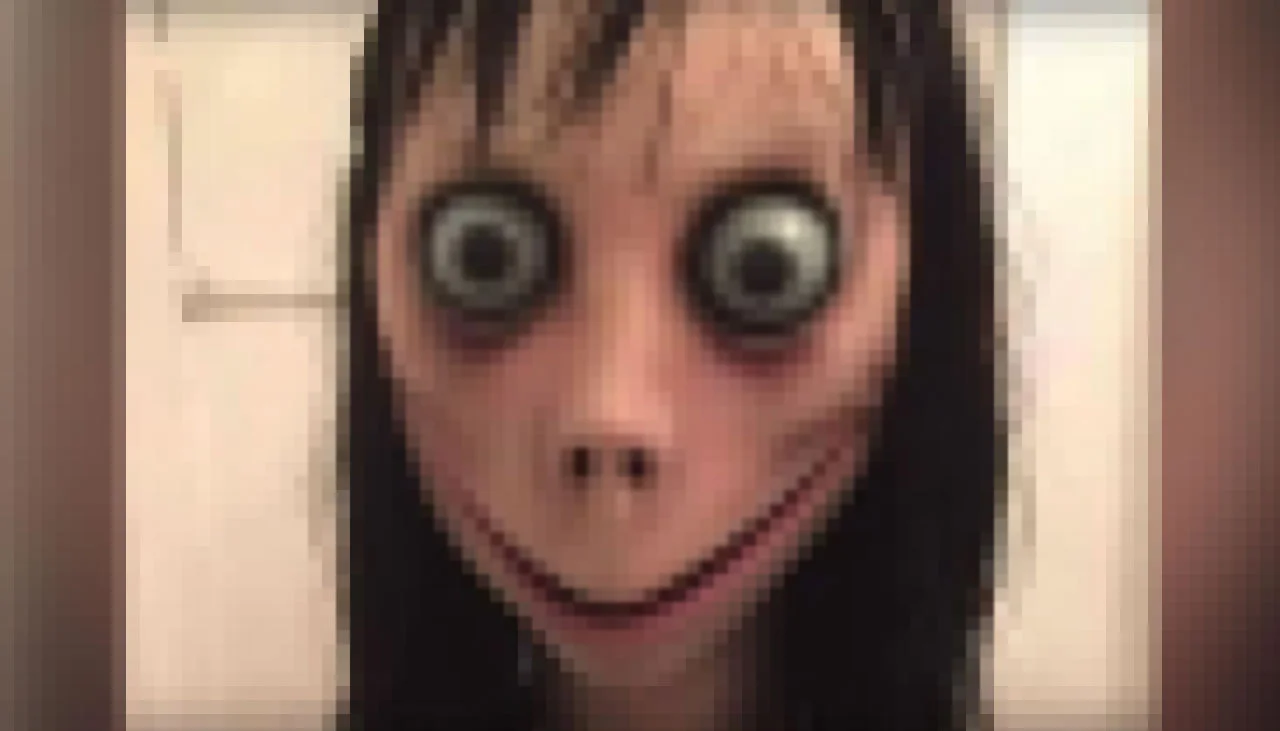
Momo is the name attached to a haunting Japanese art sculpture that got dragged into a viral WhatsApp hoax in mid-2018, with panicked reports claiming anonymous messages were pushing children toward self-harm and suicide. Law enforcement never verified a single confirmed victim of the alleged 'Momo Challenge,' yet the bug-eyed face still fueled news panics, a Kim Kardashian post, and a Hollywood horror film deal.
Overview
The image everyone associates with Momo is not photoshopped horror art or a movie still. It's a large fiberglass and latex sculpture built in 2016 by Japanese special effects artist Keisuke Aiso of the Link Factory1. Aiso gave the piece the working title 'Mother Bird,' drawing on the Japanese folklore of Ubume, a venomous, child-snatching bird spirit5. The bulging eyes, stringy black hair, gaping smile, and thin bird legs turned out to be perfect fuel for creepy repost culture once gallery photos escaped Instagram.
The so-called Momo Challenge or Momo Game glued a completely fabricated story onto the image. According to the hoax, adding a specific WhatsApp number produced a cascade of escalating orders, from watching horror films to acts of self-harm and, in the most extreme claims, suicide1. Fact checkers found no confirmed victims tied to the game itself, only sensational secondhand accounts amplified by local police warnings and shocked parents2. Snopes classified the whole thing as a modern moral panic and pointed out that the format borrowed heavily from the earlier Blue Whale Challenge urban legend4.
Gallery
Origin & Background
How It Spread
Cultural Impact
Fun Facts
The sculpture's real title is 'Mother Bird,' and it draws on Ubume, a Japanese folklore spirit tied to child abduction5
Aiso built it in 2016 for the Vanilla Gallery in Tokyo's Ginza district, well before anyone had heard the word 'Momo'1
YouTube stopped serving ads on any video featuring Momo during the 2019 wave, including reporting from major news outlets1
Snopes formally labeled the Momo Challenge a hoax with zero verified victims2
Kim Kardashian's February 2019 Instagram post to her 145 million followers reignited the second panic5
Frequently Asked Questions
References (7)
- 1
- 2
- 3
- 4
- 5
- 6
- 7