Monster Girls
Published September 7, 2026
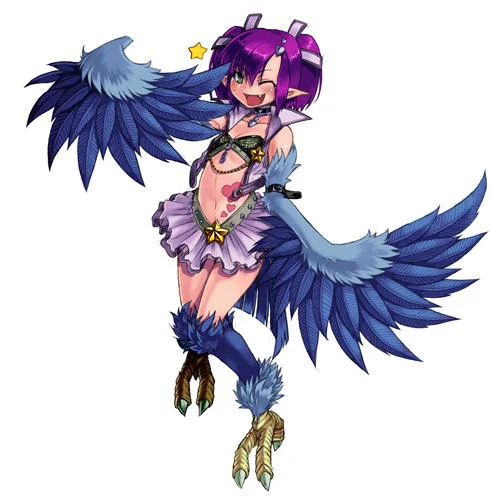
Monster Girls are a subgenre of Japanese gijinka (humanization) art that fuses female human bodies with parts of real or fictional creatures like vampires, spiders, harpies and slimes. The tradition draws on ancient myths of non-human seductresses before finding its modern home in fan art on DeviantArt and Tumblr, where illustration challenges and reference wikis built out an entire online genre.
Overview
Monster Girl designs typically graft animal, mythological or supernatural features onto a female human body, covering everything from harpies and lamias to slimes, centaurs, arachnes and moe vampires3. Rare male versions exist, but the format is overwhelmingly female-coded, and fans have their own term for the attraction to these characters, teraphilia, which sits inside the wider category of internet paraphilias3.
Art in the genre pulls from anime and manga aesthetics while borrowing character bases from Greek myth, East Asian folklore, cryptids and video game bestiaries. Fan projects built the shared vocabulary out further with reference wikis and even 3D interactive spinoffs like Monster Girl Island, which pushed the format toward adult games with unusual designs such as a muscular shark girl4.
Gallery
Origin & Background
How It Spread
How to Use This Meme
The format typically starts with a base creature (mythological, animal or supernatural) and grafts its most identifiable traits onto a human, usually female, silhouette. Common conventions include swapping human legs for a serpent's tail, adding horns, wings, animal ears or extra limbs, or building the whole body around a slime, plant or mineral base. Artists often lean into moe design cues so the character reads as a girl first and a monster second.