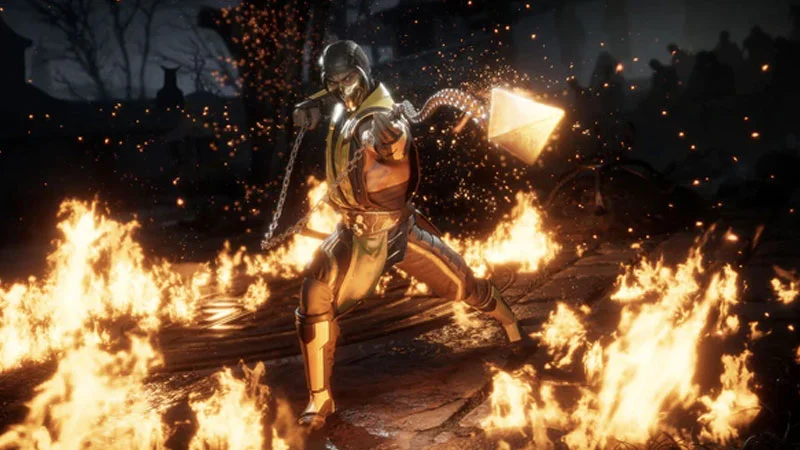
Mortal Kombat 11 PTSD Controversy

2019eventclassic

Published September 6, 2026

The Mortal Kombat 11 PTSD Controversy erupted in May 2019 after a Kotaku report revealed a cinematics developer on the NetherRealm fighting game was diagnosed with PTSD from working on its gore. The story sparked a heated online debate about the human cost of photorealistic video game violence, becoming one of the year's defining conversations about crunch and mental health in AAA game development.

Overview

The Mortal Kombat 11 PTSD Controversy centers on an anonymous cinematics developer at NetherRealm Studios who told Kotaku they were diagnosed with Post-traumatic Stress Disorder after months of designing the game's gore-heavy finishers1. The developer described spending 2018 reviewing violent animation frame by frame and being surrounded by real-world reference material that artists used to study anatomy and injury1. Within a month of that work, they began having graphic nightmares and avoiding sleep entirely2.

The report pulled back the curtain on a side of AAA game production that fans rarely see. Reference research reportedly included coworkers watching hangings on YouTube, studying pictures of murder victims, and reviewing slaughter footage to make the Fatalities look anatomically convincing3. One coworker told the developer they had started imagining the internal viscera of their own dog after months on the project2.

Origin & Background

Platform
Kotaku (report) / Twitter (viral spread)
Date
2019

The controversy started on May 8, 2019, when Kotaku published Mike Fahey's article titled "'I'd Have These Extremely Graphic Dreams': What It's Like To Work On Ultra-Violent Games Like Mortal Kombat 11"1. The piece centered on an anonymous cinematics team member who worked on the game throughout 2018 and requested anonymity to protect future employment1. A therapist later diagnosed them with PTSD, which they attributed directly to their time on MK111.

The developer's most-quoted line, "I'd have these extremely graphic dreams, very violent... I kind of just stopped wanting to go to sleep, so I'd just keep myself awake for days at a time, to avoid sleeping," was picked up by nearly every follow-up outlet within days3.

How It Spread

Reaction on Twitter split fast. User @queer_queenie posted a widely shared tweet asking whether the game "was really worth the human cost," which pulled in over 3,200 retweets and 8,100 likes within a week4. On the other side, user @brandonorselli mocked the report with a photoshopped edit of Tyler, the Creator's Cyber-Bullying tweet referencing "cyber violence," earning hundreds of likes in 24 hours4.

Gaming and pop-culture outlets amplified the story through the following week. Comic Book Resources ran a piece on May 10 quoting the developer's account of coworkers watching graphic reference material at their desks2. ComicBook.com followed on May 12, tying the PTSD account to earlier reports of crunch at the Chicago-based NetherRealm Studios3. The Daily Dot also covered the fallout, framing it as the beginning of a wider industry conversation4.

The story became a recurring reference point in later discussions about mental health, crunch, and content moderation labor, since it was one of the first mainstream reports to tie a specific psychiatric diagnosis to violent AAA game development work1.

How to Use This Meme

The Mortal Kombat 11 PTSD Controversy is cited more than remixed. It gets referenced in threads about game industry working conditions, debates over gratuitous violence in AAA titles, and comparisons to content moderator trauma at social platforms1. The @queer_queenie "human cost" framing is often echoed whenever a new ultra-violent game ships4.

Frequently Asked Questions