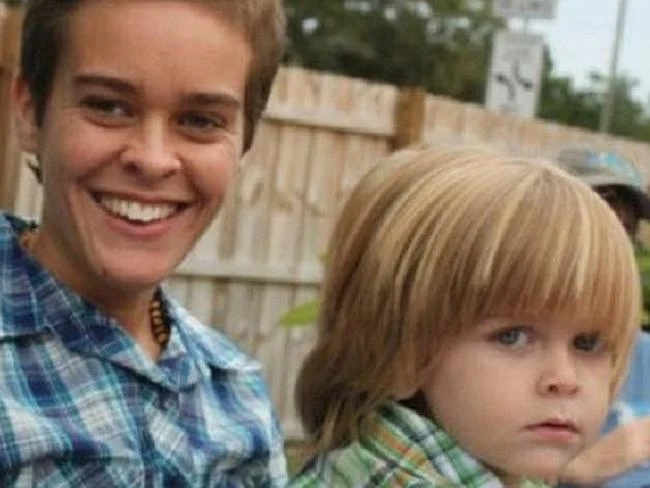
Munchausen By Internet
Published October 26, 2026
Marc Feldman, a psychiatrist who studies factitious disorders, coined 'Munchausen By Internet' in a July 2000 Southern Medical Journal paper to label people who fake illness in online venues for sympathy1. The Guardian picked up the diagnosis that November2, and by the mid-2000s LiveJournal fake-death posts and the Kaycee Nicole hoax gave the term its best-known case files4.
Overview
Munchausen By Internet, abbreviated MBI, describes a pattern where a user invents or exaggerates a serious illness, injury, or psychiatric crisis inside online communities to attract attention, reassurance, or sympathy from strangers1. Classic signs documented by Feldman include long illness updates with inconsistent medical details, dramatic turns timed to flagging comment counts, imaginary doctors or relatives who post on the sufferer's behalf, and announcements of the sufferer's death delivered by one of those invented contacts5.
The diagnosis sits inside the Munchausen family of factitious disorders. When a person feigns illness on themself it is Munchausen's Syndrome, and when a caregiver induces or fabricates illness in a dependent it is Munchausen By Proxy3. Journalists covering MBI often document long-running fake patient blogs, support-group members whose cancer timelines never add up, and parents whose sick-child journals attract donation drives before investigators look closer8.
Gallery
Origin & Background
How It Spread
Timeline
Frequently Asked Questions
References (9)
- 1
- 2
- 3
- 4
- 5
- 6
- 7
- 8
- 9