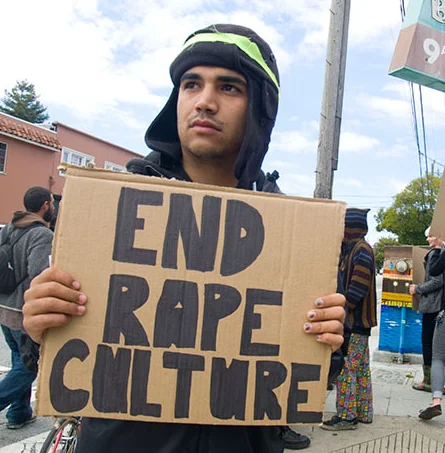
Rape Culture
Published September 24, 2026
"Rape culture" is the feminist argument that sexual assault is normalized through jokes, victim blaming, and social attitudes about sex and gender. Coined by New York Radical Feminists in a 1974 book and popularized by a 1975 documentary of the same name, the term became one of the internet's most contested feminist arguments during the 2010s YouTube culture wars.
Overview
The label names both a theory and a rhetorical target. Supporters point to slut-shaming, dismissive rape jokes, and blaming survivors for what they wore or drank as evidence that society treats sexual assault casually1. Detractors argue the term is stretched to cover trivial incidents and is less accurate for Western societies than for places with formal legal barriers to prosecuting sexual violence7.
Online, the argument played out mostly through video essays, stand-up clips, and campus commentary rather than image macros3. Feminist creators used "rape culture" to frame high-profile news stories, while skeptic YouTubers recorded rebuttals framing the concept as moral panic5. By the mid-2010s the phrase was a shibboleth in feminist versus anti-feminist YouTube, with each side treating it as shorthand for the other camp's worldview.
Gallery
Origin & Background
How It Spread
Timeline
Frequently Asked Questions
References (7)
- 1
- 2
- 3
- 4
- 5
- 6
- 7