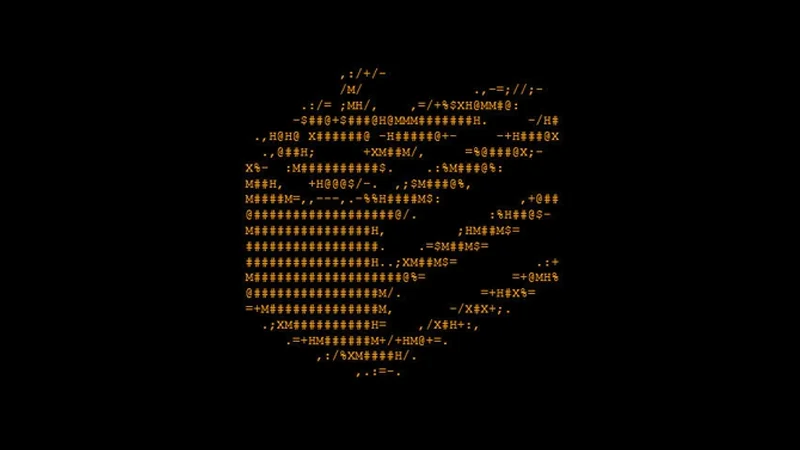
Still Alive (Portal End Theme)
Published September 29, 2026
"Still Alive" is the closing song from Valve's 2007 puzzle game Portal, sung by the villainous AI GlaDOS after players think they have destroyed her. Written by musician Jonathan Coulton and voiced by Ellen McLain, the credits track turned into a runaway fan favorite that spawned hundreds of YouTube covers and cemented itself as one of gaming's defining end themes.
Overview
"Still Alive" plays over the credits of Portal after players believe they have destroyed GlaDOS, the passive-aggressive AI antagonist, only for her to break into song and reveal the title's twist1. Composer Jonathan Coulton wrote the piece from GlaDOS's perspective, framing the whole game as a workplace grievance letter set to an upbeat synth-pop track, with lines about the test subject being a "huge success" undercut by threats and dark jokes about the incinerated Weighted Companion Cube2.
Ellen McLain, who voices GlaDOS throughout the game, performs the vocals through the same filtered, robotic effect used for the character's dialogue3. That in-character delivery is a big part of why the song took on a life of its own outside the game: it works as a self-contained villain monologue, so fans stripped it out of Portal and treated it like a standalone pop single3. Covers range from straight piano arrangements to children's choirs, ocarina performances and 8-bit chiptune remakes3.
Gallery
Origin & Background
How It Spread
Timeline
2007-10-09
Portal launches as part of Valve's Orange Box bundle, ending with GlaDOS singing "Still Alive" over the credits[3].
2007-10-20
YouTuber "pudgenet" uploads one of the earliest known fan covers of the song[4].
2007-10-22
An early piano cover of "Still Alive" is uploaded to YouTube[6].
2007-11-16
Composer Jonathan Coulton uploads his own live acoustic performance of the song to YouTube[5].
2007-12-07
Newgrounds hosts an animated version of "Still Alive", one of many video re-cuts using the original McLain vocal[3].
How to Use This Meme
The song itself is not a template so much as a reference: quoting the GlaDOS twist ending ("This was a triumph", "I'm making a note here: huge success") became shorthand online for celebrating a hollow or ironic win. Fans typically cover the song on an unusual instrument, dub it over unrelated game footage, or splice it into other Valve properties as a callback to the Portal ending3.
Frequently Asked Questions
References (7)
- 1
- 2
- 3
- 4
- 5
- 6
- 7