The Babadook
Published October 1, 2026
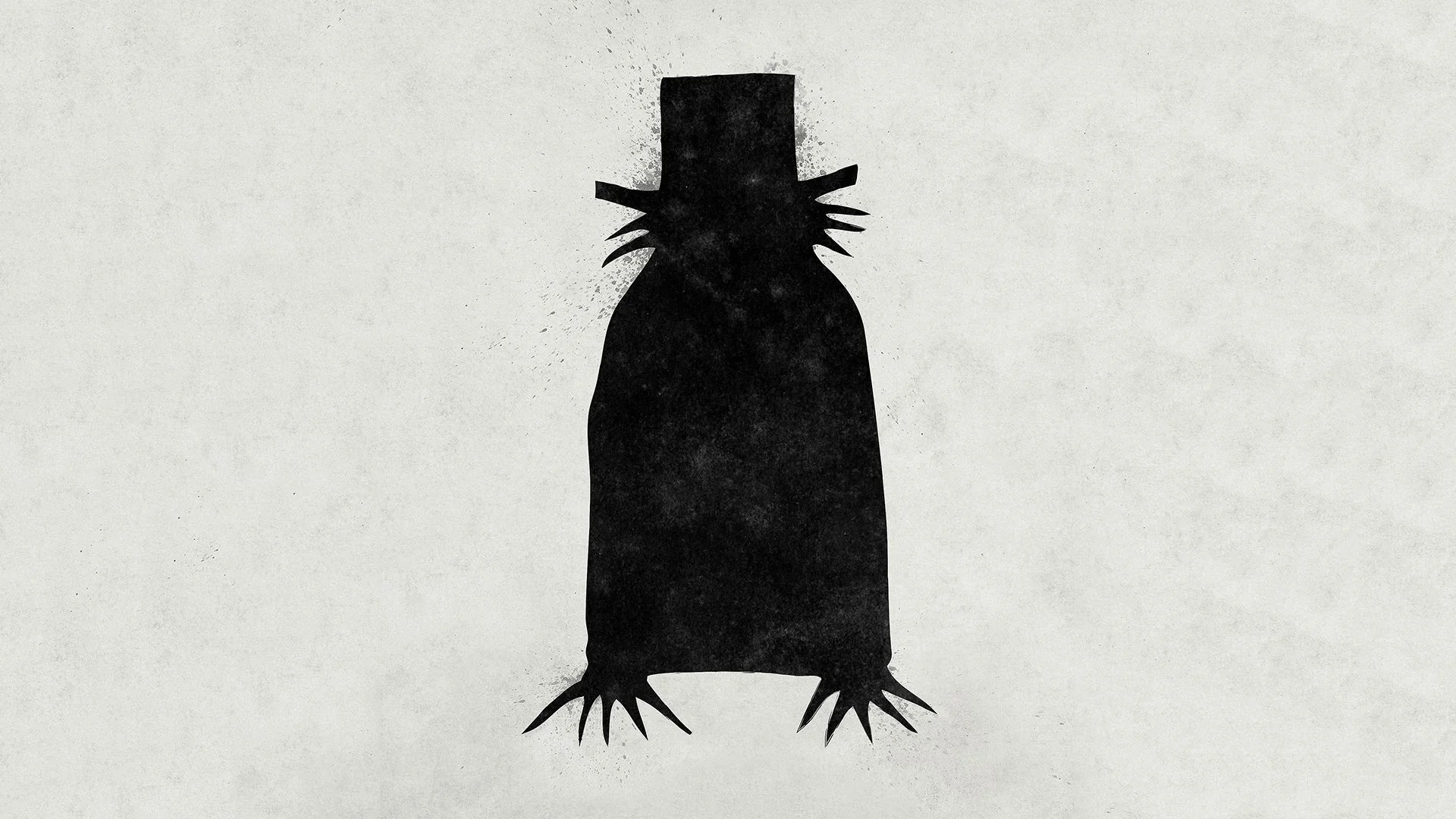
The Babadook started as a 2014 Australian psychological horror film about a grieving mother and a top-hatted storybook monster, then took on a bizarre second life in 2016 when a Netflix category screenshot sparked the running joke that the character is gay. By Pride Month 2017, the pop-up book villain was a full-blown LGBTQ meme icon.
Overview
The Babadook refers both to Jennifer Kent's 2014 Australian horror film and to the meme that reframed its charcoal-sketched, top-hat-wearing monster as a gay icon1. The joke took off after screenshots circulated showing Netflix had filed the movie under its LGBT category, which Tumblr and Twitter users ran with as proof that the suburban-haunting ghoul was, in fact, queer2. Mashable later confirmed Netflix no longer classified the film that way, but by then the bit had outgrown the source1.
The format usually pairs a still of the Babadook, often in his tailored black coat and stovepipe hat, with captions treating him as a drag queen, a Grindr match, or a relatable queer archetype who lives in a basement rent-free3. Teen Vogue summarized the appeal by noting the character 'made a pop-up book of himself for the drama of it all,' which fans read as camp performance rather than horror3. Variants include Pride-flag edits, fake dating-app profiles, and jokes casting the monster on RuPaul's Drag Race3.
A parallel strain of Babadook humor comes from Katie Dippold's viral Halloween photo, in which the comedy writer showed up in full movie-accurate Babadook costume to a casual party where nobody else dressed up4. That image became its own cringe reaction template about social overcommitment, separate from but adjacent to the gay-icon run4.
Gallery
Origin & Background
How It Spread
Timeline
Frequently Asked Questions
References (7)
- 1
- 2
- 3
- 4
- 5
- 6
- 7