Ddos
Published August 5, 2026
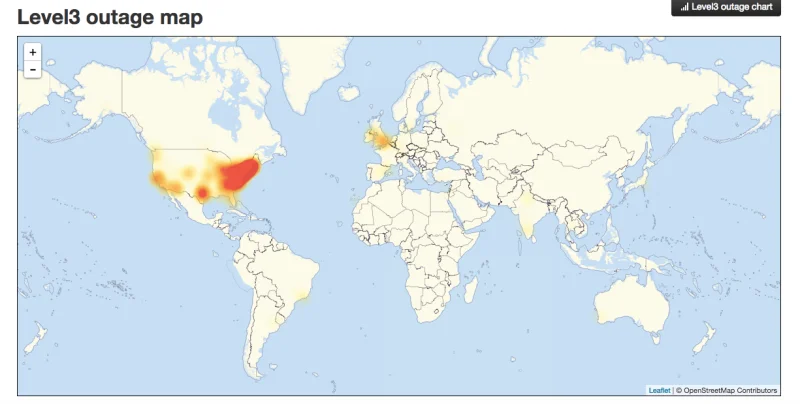
DDoS, short for Distributed Denial of Service, is a cyberattack method that floods a target website or server with junk traffic from thousands of hijacked machines until it collapses under the load. First documented against a University of Minnesota system in August 1999, DDoS became the signature protest weapon of hacktivist groups like Anonymous and LulzSec through the late 2000s and 2010s before rising to headline-grabbing scale in the Spamhaus and Dyn attacks.
Overview
A DDoS attack works by hijacking a large number of computers, called a botnet, and directing them to send simultaneous requests at a single server or network until the flood saturates its bandwidth or exhausts its processing capacity, blocking legitimate users from reaching the service5. The 'distributed' part is what makes the tactic hard to shut down: because the traffic comes from thousands of scattered sources at once, blocking a single IP address does nothing meaningful, and defenders have to filter the noise from real requests at scale2.
Common attack methods include SYN floods, UDP floods, and DNS reflection, where attackers trick a DNS server into sending a large reply to a spoofed target address7. Paid 'stresser' or 'booter' services take a different approach, letting customers rent botnet firepower by the hour with a credit card, often running on hacked Internet of Things devices with default passwords6. That mix of easy tools, cheap services, and poorly secured hardware is why the technique kept scaling up rather than getting solved.
Gallery
Origin & Background
How It Spread
How to Use This Meme
A typical DDoS attack has three parts: an attacker, a control channel, and a botnet of hijacked machines. In the 2000s the control channel was often a password-protected IRC server the bots would connect to and wait for orders from, as in the Anthony Scott Clark eBay case where 20,000 machines sat on IRC waiting for the launch command4. By the mid-2010s, paid 'stresser' services took the setup mainstream: Lizard Squad's Lizard Stresser, launched in late 2014, let paying customers rent DDoS firepower against any IP with a credit card, running on thousands of hacked home routers protected only by factory-default passwords6. Basic hacktivist tools like the Low Orbit Ion Cannon (LOIC) took a different route, with each participant opting in through a graphical interface, which Urban Dictionary flags as a 'bad choice' because it means the attackers are not unwitting bots and can be traced back7.
Cultural Impact
Frequently Asked Questions
References (7)
- 1
- 2
- 3
- 4
- 5
- 6
- 7