Geocaching
Published August 24, 2026
Geocaching is a GPS-powered outdoor treasure hunt where players hide waterproof containers called caches and share coordinates online for others to track down. Launched in May 2000 after the U.S. military unscrambled civilian GPS signals, it grew from a Usenet experiment in Oregon into a worldwide hobby coordinated through Geocaching.com.
Overview
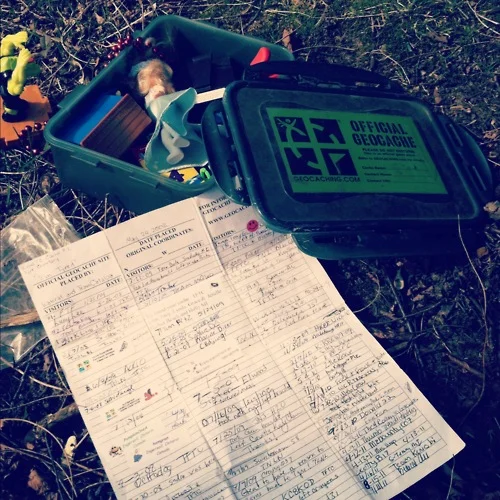
Geocaching is an outdoor scavenger hunt built on consumer GPS receivers and a shared online database of hiding spots1. Players called geocachers use an app or handheld GPS unit to hike to a set of coordinates, locate a waterproof container, sign the paper logbook inside, and often swap a small trinket before putting the cache back exactly where they found it1.
The caches themselves range from film canisters magnetically clipped under park benches to five-gallon buckets buried in the woods, and each hide is logged online with clues, difficulty ratings and terrain scores5. The commemorative plaque at the original hide site sums up the etiquette that shaped the hobby, asking finders to sign the logbook and record their visit as Dave Ulmer originally proposed5. Urban Dictionary has captured the mix of earnest fandom and self-deprecating humor around geocaching, describing it as using a multi-billion dollar satellite system to find plastic boxes in the forest6.
Gallery
Origin & Background
How It Spread
How to Use This Meme
To play geocaching, sign up for a free account on Geocaching.com or in the official Geocaching app, then browse a map of nearby caches1. Users typically pick a cache by difficulty and terrain rating, hike to the listed coordinates, and search the immediate area, since GPS accuracy still leaves several meters of guesswork1. When you find the container, sign and date the paper logbook, optionally swap a small item of equal value, hide it again exactly as you found it, and post an online log with photos back on the site1.
Frequently Asked Questions
References (7)
- 1
- 2
- 3
- 4
- 5
- 6
- 7