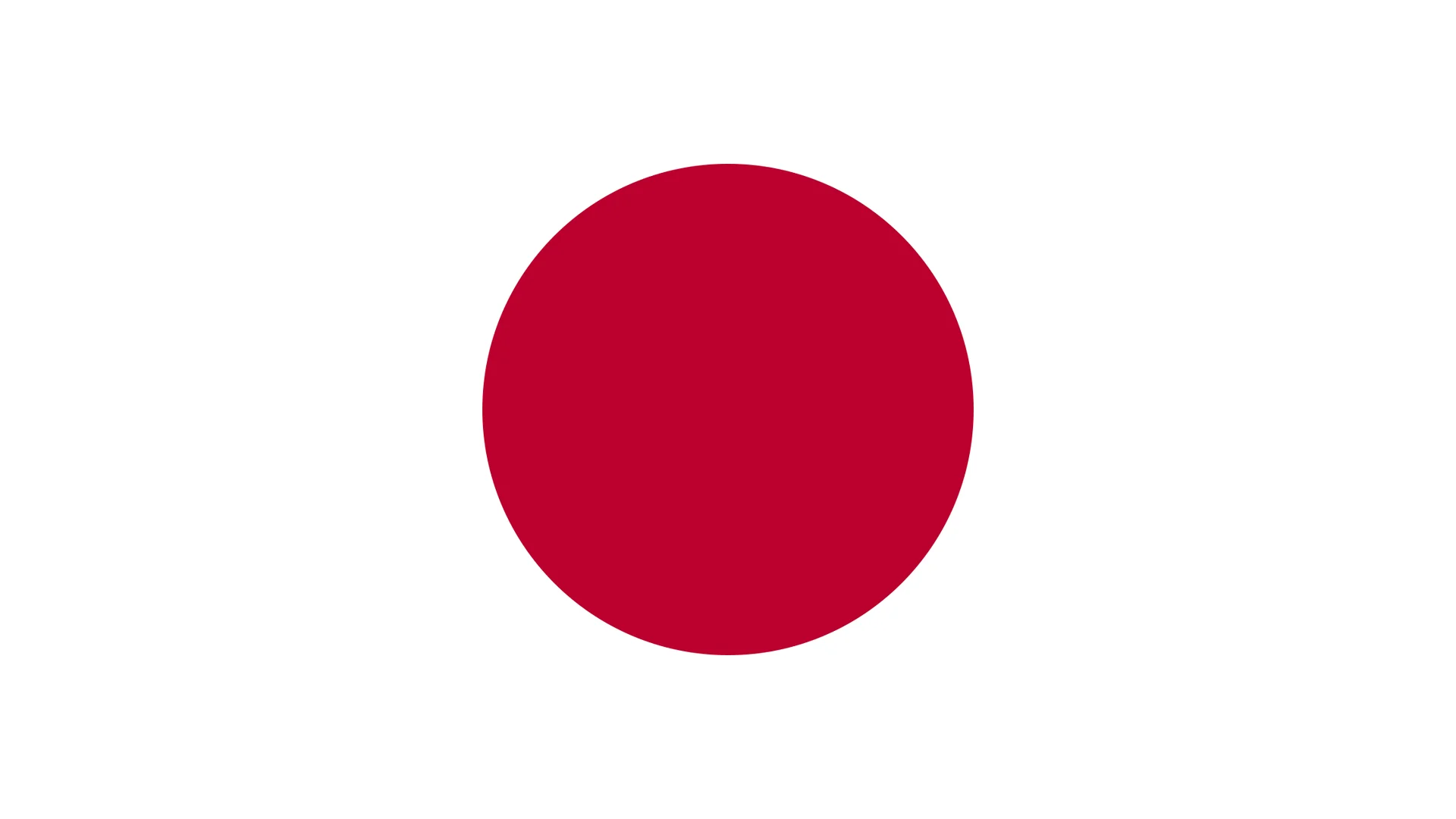
Japan

2007topicclassic

Published September 2, 2026

Japan, also known as Nihon (日本), is an East Asian island nation whose online presence has ranked among the most active in the world for over two decades. With Tokyo home to roughly 38 million people and Google topping its web traffic charts, Japan became a constant reference point across meme culture, anime discourse, and internet trend cycles.

Overview

Japan, also known as Nihon (日本), is an island country east of China with a population of over 120 million people, most of whom live in urban centers3. Its capital Tokyo alone accounts for roughly 38 million residents, making it one of the densest metropolitan regions on Earth3. That concentration of people, combined with heavy home internet penetration, made Japanese web traffic a huge share of global online activity from the early 2000s onward.

On the meme side, Japan is less a single joke and more a recurring reference well. Anime screencaps, Japanese game show clips, and 2channel-style imageboard humor fed directly into Western meme ecosystems, and the country's own domestic sites like yahoo.co.jp stayed enormous even as Google dominated globally1. In 2026, Google still ranked as Japan's most visited website, followed by Yahoo Japan and YouTube1.

Origin & Background

Platform
Web / imageboards
Date
2007

Japan's role as an internet meme touchstone predates any single event. The country entered global meme vocabulary through imageboard culture, with 2channel (founded 1999) inspiring the design and posting style of 4chan, which launched in 2003. By the late 2000s, "only in Japan" style compilation videos and anime reaction images were routine currency across forums and early YouTube3.

The web-traffic picture that shaped modern Japanese internet culture solidified around Yahoo Japan's dominance and Google's later takeover. As of July 2026, the top five sites in Japan were google.com, yahoo.co.jp, youtube.com, news.yahoo.co.jp, and x.com1.

How It Spread

Japan-themed content spread through several distinct waves. Anime and manga fandoms carried Japanese aesthetics into Tumblr, DeviantArt, and later TikTok, while gaming culture pulled in references to Nintendo, Sega, and Japanese arcade footage. Reaction images sourced from anime became a standard format across Reddit and Twitter throughout the 2010s.

Urban Dictionary entries reflect how the country's name gets used loosely online, including a joke definition under "Japan State" that reads more like copypasta than a real definition2. That kind of ironic, low-effort naming shows how Japan operates online as both a serious cultural export and a punchline shorthand.

By the mid-2020s, Japanese-language X posts, VTuber clips, and short-form videos from Tokyo creators regularly crossed language barriers, keeping the country's cultural footprint on the global feed disproportionately large relative to its population1.

Frequently Asked Questions