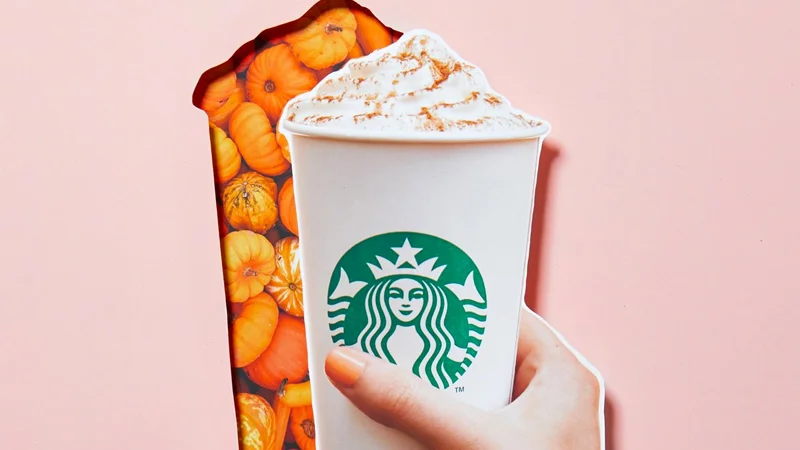
Pumpkin Spice Latte

2003catchphraseclassic

Published September 23, 2026

The Pumpkin Spice Latte, Starbucks' seasonal fall drink first sold in 2003, grew into an internet punchline by 2014, when Twitter jokes and BuzzFeed listicles branded it the definitive beverage of 'basic' white women. The mockery spawned a parody Twitter account, ingredient exposés, and a John Oliver segment, turning a coffee order into shorthand for an entire autumn aesthetic.

Overview

The joke works on two layers. The drink itself became a stand-in for a very specific archetype, yoga pants, Uggs, autumn Instagram photos, and cart runs for pumpkin-flavored everything at Trader Joe's3. Urban Dictionary at one point described the PSL as 'literally the whitest product on earth' and 'the only thing white girls can even'8. The format is fill-in-the-blank: pair any fall product with a 'basic white girl' observation and the joke writes itself, from BuzzFeed listicles3 to Kotaku photoshop contests7.

The counter-joke arrived almost as quickly. Writers at Vox argued the pile-on had less to do with the coffee than with sexism aimed at anything 'coded as feminine,' as well as skepticism of savvy seasonal marketing1. That reframing produced a third layer of Pumpkin Spice Latte jokes: pedantic corrections such as 'pumpkin spice refers to the spices used in pumpkin pie and doesn't actually taste like pumpkins,' one Twitter user's 2018 riff on the whole discourse6.

Origin & Background

Platform
Starbucks (product) / Twitter and BuzzFeed (viral spread)
Date
2003

Starbucks introduced the Pumpkin Spice Latte in 2003 as a limited seasonal drink, built from espresso, steamed milk, and a syrup blend of cinnamon, nutmeg, clove, and pumpkin pie spice1. Sales jumped roughly 11% the following November, which then-CEO Jim Donald credited to the new drink6. Over the next decade Starbucks moved more than 200 million PSLs, and CEO Howard Schultz called it the chain's most popular seasonal beverage2.

The meme layer arrived much later. The 'basic white girl' association crystallized in fall 2014, when jokes about the drink flooded Twitter and blogs at the start of PSL season5. Flavorwire noted at the time that 'lots and lots of jokes about white women and Pumpkin Spice Lattes' were circulating, though the site could not decide whether this was 'the new vaguely sexist zeitgeist' or just 'people on Twitter don't have many original thoughts'5.

How It Spread

The August through September 2014 window did most of the work. On August 4, a parody Twitter account launched that wrote tweets from the drink's point of view and picked up more than 93,500 followers within two months6. Four days later, a 'The Real PSL' Tumblr blog started aggregating notable PSL-related images and screenshots6. On August 25, the Food Babe blog published a long investigation into the drink's ingredients, arguing that Starbucks had refused for years to share the full list and calling out the caramel color and 'natural flavors'2.

The pile-on kept building through September. On September 4, BuzzFeed writer Lara Parker published '25 Things All Basic White Girls Do During The Fall,' with 'Get on that Pumpkin Spice Latte grind' at #13. Flavorwire ran its own piece on September 12 rounding up the 'white women love PSLs' tweets5. On September 22, BuzzFeed's Sam Stryker organized a 'Pumpkin Spice Latte Challenge,' where six staffers got 15 minutes and a decoy-ingredient tray to recreate the drink from scratch, with judges scoring on 'drinkability, appearance, creativity, and basicness'4. That same day, BuzzFeed Video posted its own PSL taste-test on YouTube9.

Mainstream media joined that October. On October 12, 2014, John Oliver aired a three-minute mock investigation into the flavor on Last Week Tonight, which passed 6.2 million views over the following years6. Kotaku followed with a 'Pumpkin Spice Armageddon' photoshop contest inviting readers to send in pumpkin-spice video game characters, SUVs, and McDonald's burgers7. By 2018, Starbucks was launching the drink on August 28, its earliest date to that point, a move Vox tied to a slowdown in sales and a broader 'seasonal creep' strategy1.

Frequently Asked Questions