Novelty Content Filters
Published March 24, 2026
Also known as: Content blockers · celebrity blockers · keyword filters
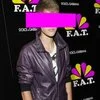
Novelty Content Filters are browser extensions designed to block or hide specific keywords, images, or mentions of particular public figures from web pages. The trend kicked off in May 2010 with Greg Leuch's "Shaved Bieber" extension and spawned a string of imitators targeting everyone from BP to the Kardashians to Donald Trump. They sit at the intersection of internet humor, protest art, and genuine media fatigue, letting users literally erase whatever they're sick of seeing online.
Overview
Novelty Content Filters are a category of browser extensions and bookmarklets that strip out mentions of specific people, brands, or topics from every web page a user visits. Unlike standard ad blockers, these tools target cultural noise rather than advertising. They typically work by scanning page text for keywords and either blacking out, replacing, or completely removing matching content, including associated images3.
The concept is part practical tool, part performance art. Users install them as a tongue-in-cheek statement about media saturation, though many genuinely appreciate the quieter browsing experience. The tools range from single-target blockers (removing one specific celebrity) to customizable platforms where users pick their own blacklisted terms2.
Origin & Background
How It Spread
How to Use This Meme
The general pattern for novelty content filters follows a simple model:
A developer picks a target, usually a public figure or brand dominating the news cycle
The extension scans each web page's text content for matching keywords
Matched text gets blacked out, replaced with alternate text, or hidden entirely
Some extensions also target images, using alt-text or surrounding context to identify and remove photos of the target
Cultural Impact
Fun Facts
Greg Leuch's original Shaved Bieber announcement referenced Kanye West's famous caps-lock blog posts, claiming F.A.T. Lab had helped "lowercase your blog posts" before pivoting to the Bieber problem2.
The Shaved Bieber code was fully open source under MIT License on GitHub, making it a template that later filter developers could build on2.
The Trump Filter claimed to make Donald Trump "simply disappear from your view of every web page," promising total erasure rather than just text blocking1.
Despite being designed as jokes, these filters anticipated real platform features. Twitter and other social media platforms later added native keyword muting tools that work on similar principles.
The concept of rage-baiting, where content is designed to provoke outrage for engagement, makes novelty content filters more relevant than ever as a form of digital self-defense4.
Derivatives & Variations
Shaved Bieber
(May 2010) — The original novelty filter, blocking Justin Bieber mentions and images from web pages. Released with an MIT License and available as a bookmarklet, Firefox extension, and raw JavaScript[2].
Oil Spill Plugin
(June 2010) — Removed mentions of BP during the Deepwater Horizon disaster. Created by Greg Leuch in collaboration with agency Jess3[3].
Pop-Block
(December 2012) — Leuch's evolution of the concept into a customizable tool where users could block any keyword they chose[3].
Kardblock
(April 2015) — James Shamsi's extension targeting Kim Kardashian content specifically[3].
Trump Filter
(December 2015) — Rob Spectre's Chrome extension removing Donald Trump mentions, which became the most downloaded novelty filter with 21,000+ installs in its first week[1].
Frequently Asked Questions
References (5)
- 1
- 2Shaved Bieber | F.A.T.article
- 3
- 4Novelty Content Filters - Know Your Memeencyclopedia
- 5Rage-baitingencyclopedia